Artells Media

Entre lo humano y lo divino

By Elena Parau · November 25, 2026

Fine Artist · Painting · Guadalajara, Mexico

Entre lo humano y lo divino, photo 1 by Elena Parau

In shortElena's photography project explores how Mayahuel, goddess of maguey and fertility, and the Sun of Tonalá embody Jalisco's ancestral worldview of sacrifice, transformation and abundance.

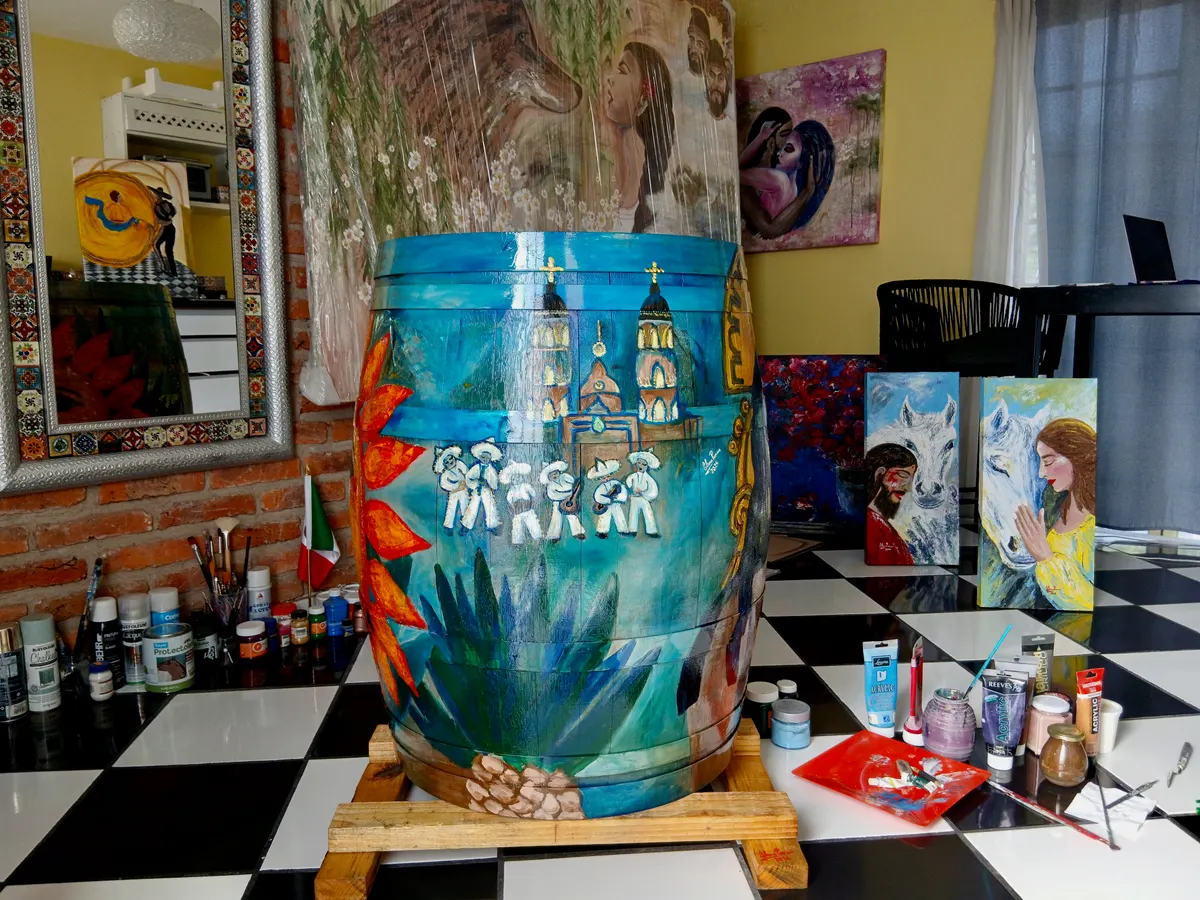
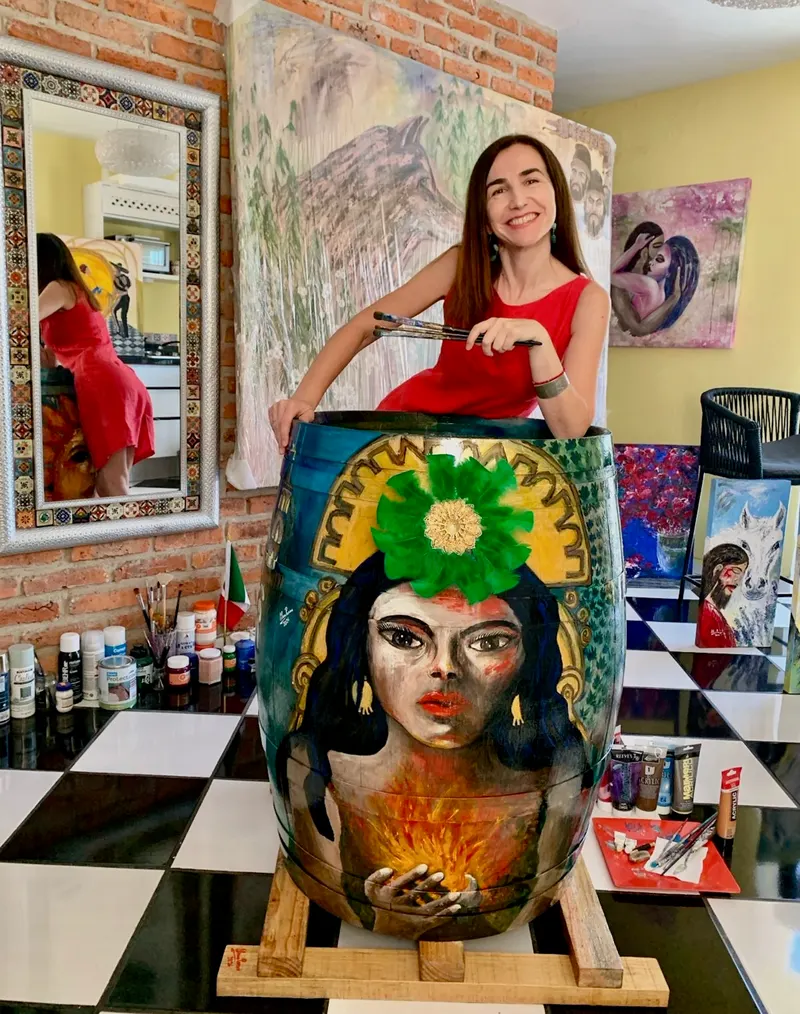
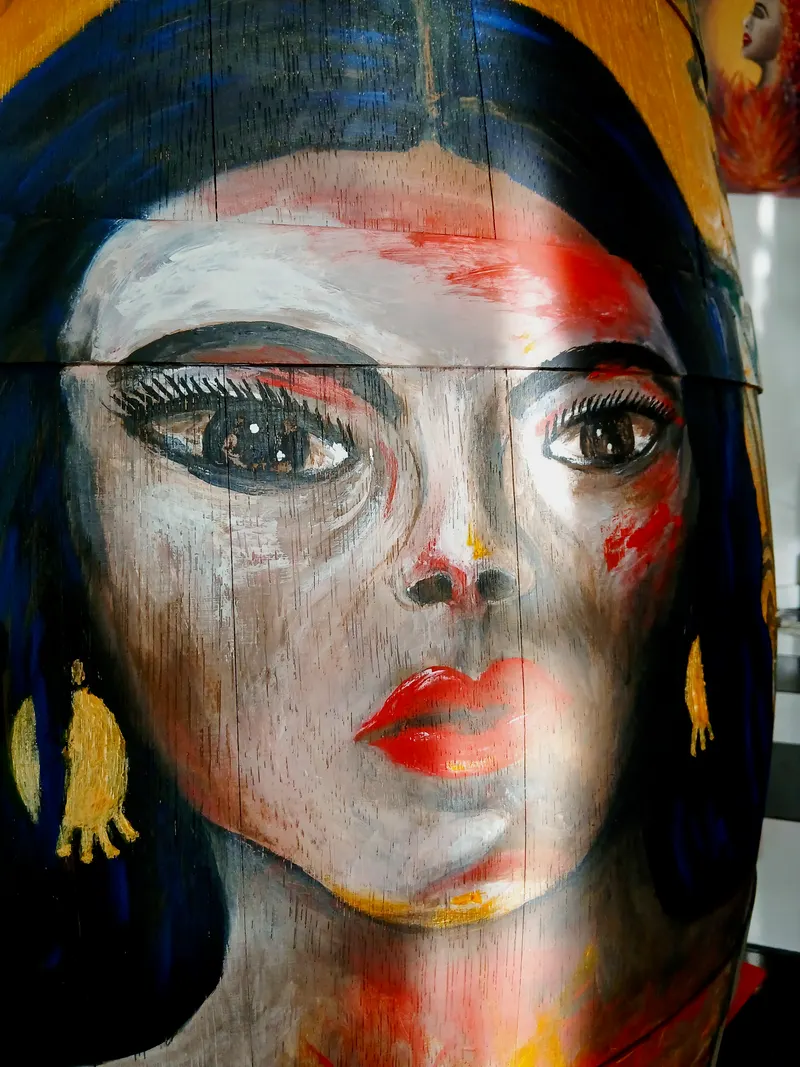
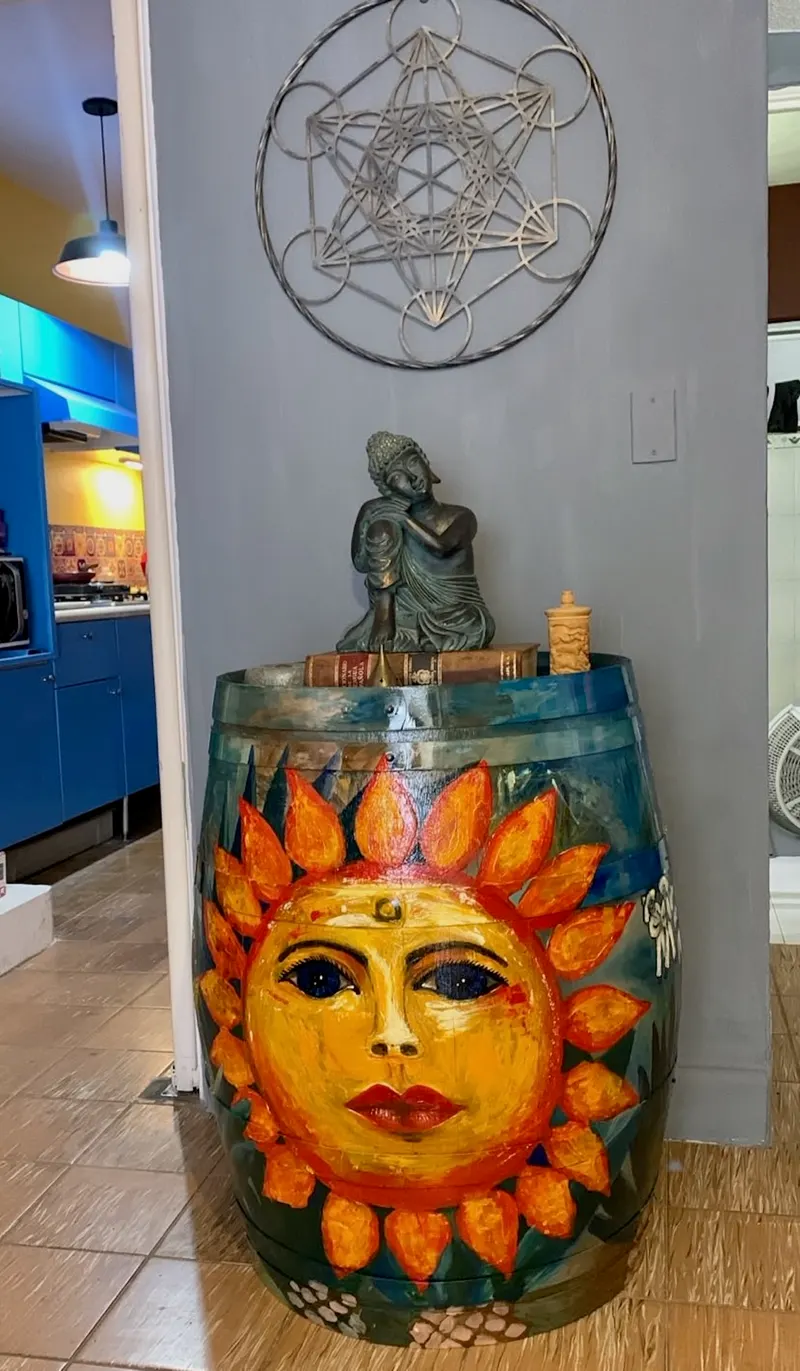
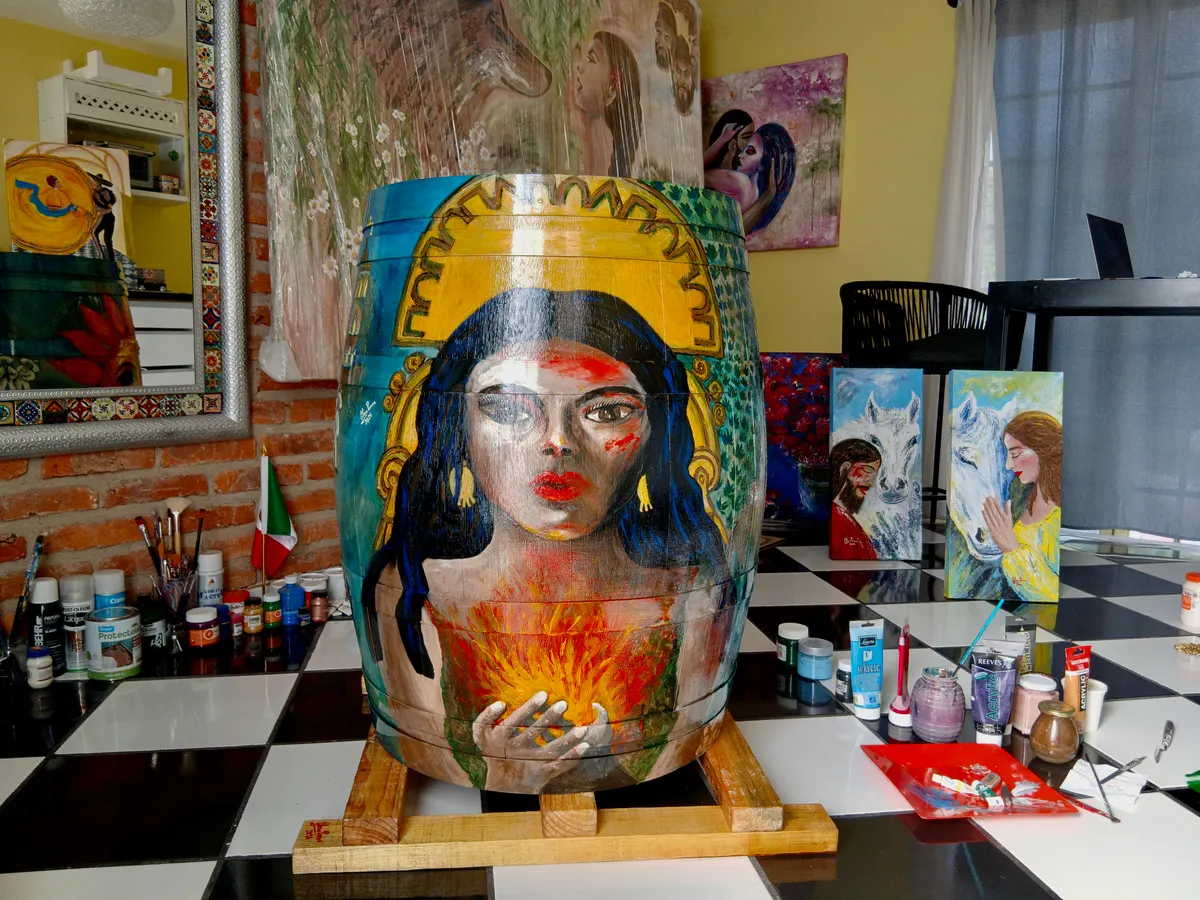
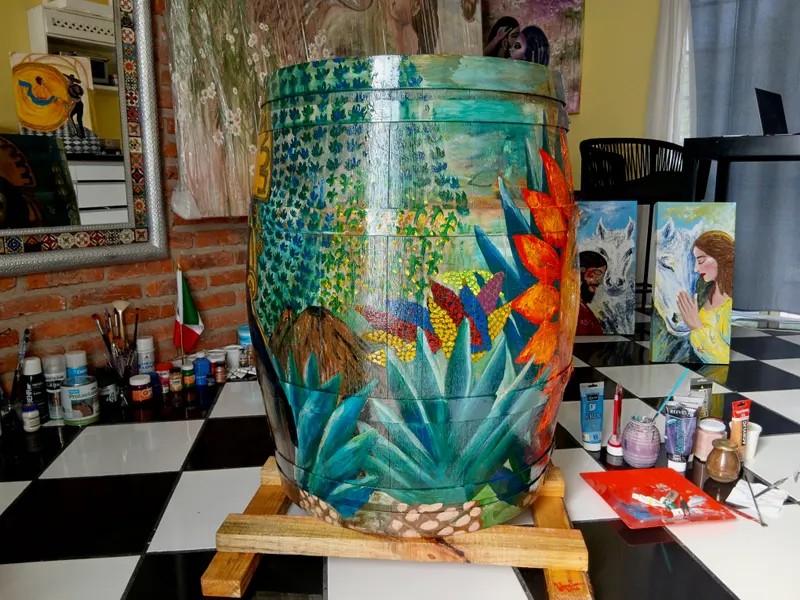
"Between the Human and the Divine" reveals an ancestral worldview that shapes Mexican culture. The goddess Mayahuel, the Mexica deity of maguey and fertility, represents the capacity to give life in hostile terrain, symbolizing that the human spirit can flourish even in scarcity. The pulque that emanates from her "maguey" is the nectar that alleviates earthly pain and enables communion with the cosmos, the true abundance that arrives through sacrifice and transformation.

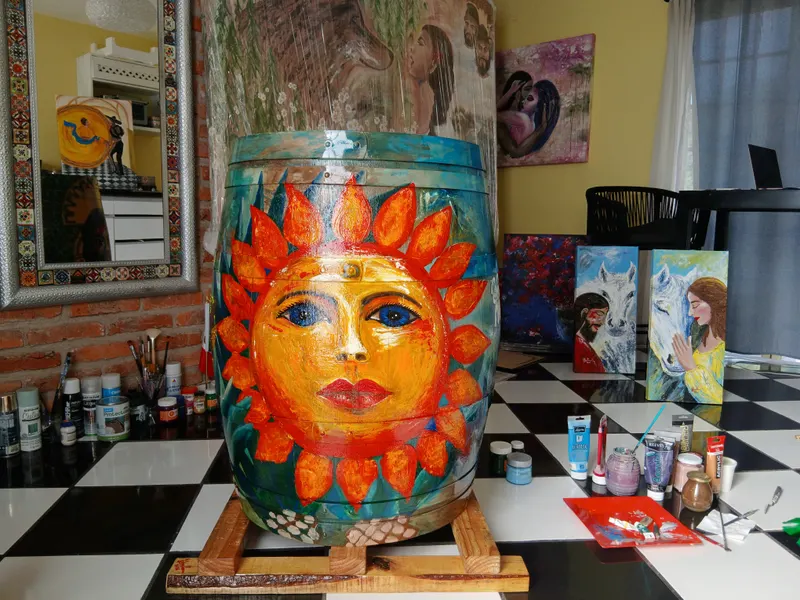
The Sun of Tonalá represents life, not simply a celestial body that illuminates; it is a telluric presence, a fire deity that shapes clay, spirit, and time. The sun invites introspection, that capacity, as traditional medicine teaches, to heal and renew the body and soul from within.
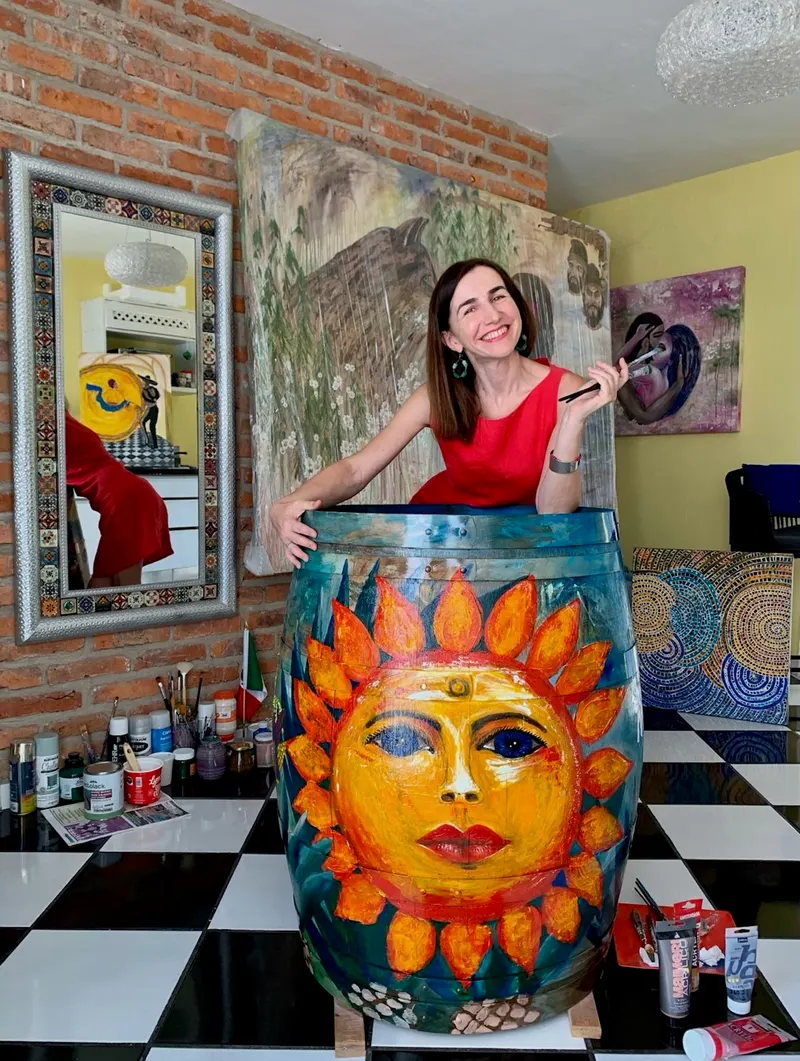
Entre lo humano y lo divino, photo 2 by Elena Parau
Entre lo humano y lo divino, photo 3 by Elena Parau

Between the sun and Mayahuel appear human and divine elements: the Tequila volcano, agave fields, cornfields of various colors, crystalline waters of turquoise hue, the Basilica of Zapopan, the mariachi group, the immense sky that in Mexico holds an infinite blue. Because Jalisco is the cultural heart of Mexico.

Entre lo humano y lo divino, photo 4 by Elena Parau
Entre lo humano y lo divino, photo 5 by Elena Parau
Entre lo humano y lo divino, photo 8 by Elena Parau
Entre lo humano y lo divino, photo 6 by Elena Parau
Entre lo humano y lo divino, photo 7 by Elena Parau

Quick answers

Who is Mayahuel in Mexican mythology?
Mayahuel is the Mexica goddess of maguey and fertility, representing the capacity to give life in hostile terrain and showing that the human spirit can flourish even in scarcity.
What does pulque symbolize in this context?
Pulque, the nectar that emanates from Mayahuel's maguey, alleviates earthly pain and enables communion with the cosmos, symbolizing true abundance born from sacrifice and transformation.
What does the Sun of Tonalá represent?
The Sun of Tonalá is seen as a telluric, fire deity that shapes clay, spirit and time, inviting introspection and the healing and renewal of body and soul from within, as traditional medicine teaches.
Why is Jalisco called the cultural heart of Mexico?
Jalisco brings together human and divine elements such as the Tequila volcano, agave fields, colorful cornfields, turquoise waters, the Basilica of Zapopan and mariachi music under an infinite blue sky.

Read next

Comments

Sign in to join the conversation.

No comments yet. Be the first.

Got a story of your own?

Every creator we publish has one. Write yours for the Community, or go straight for a printed feature.

Entre lo humano y lo divino · Artells Media