My photographic practice grew out of an unexpected relationship with landscape.
I originally studied photojournalism, drawn to photography's ability to tell stories through observation. Years later, I returned to school to study regional and community planning and landscape architecture. I spent my professional career thinking about landscapes from the other side of the camera—how they are designed, how people move through them, and how physical environments shape our experience of place.
Eventually, I found myself wanting to explore those questions through photography again.
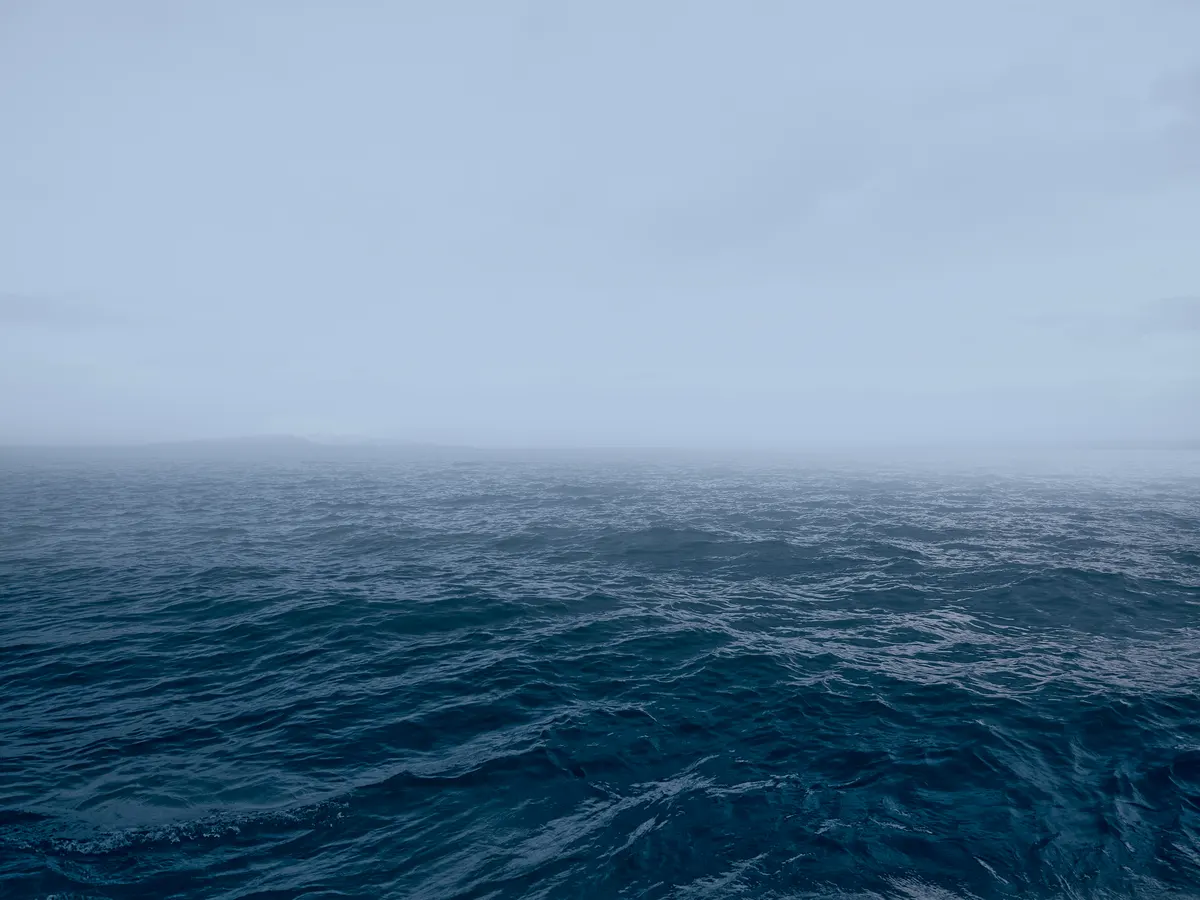
Today, my work focuses on landscape, time, perception, and memory. I primarily use long exposures and single-frame photographs, allowing time itself to become part of the image. Rather than relying on extensive digital manipulation, I use the camera to transform what happens naturally during an exposure. Moving water becomes a veil, clouds disappear, and subtle changes in light accumulate into a single frame.
That process has become central to how I think about photography. A photograph normally freezes a moment, but a long exposure does something different: it records a period of time. The resulting image is not necessarily what the eye could have seen at any one instant. It is a record of duration.
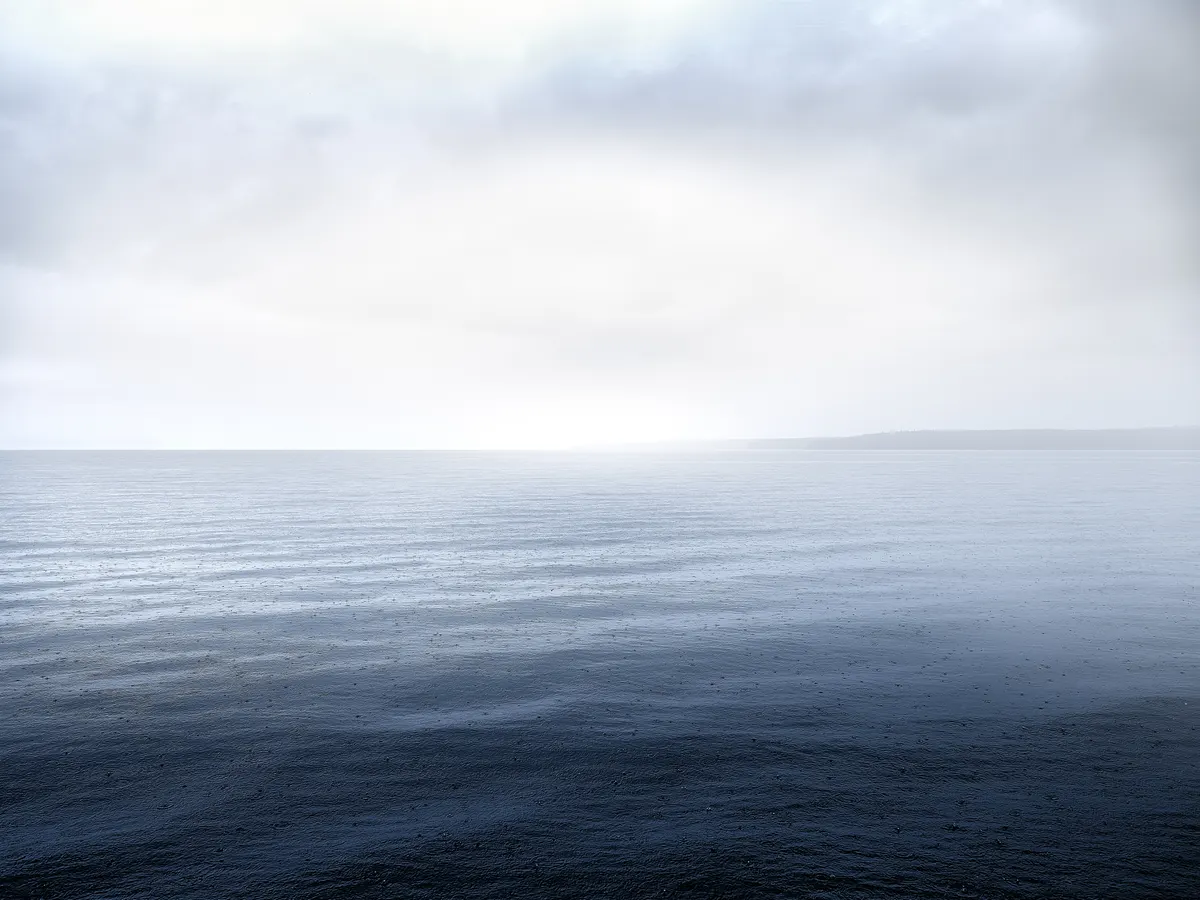
Across my ongoing series—including Waterfalls, Dunes, Human/Nature, and Exhale—I explore that idea in different ways.
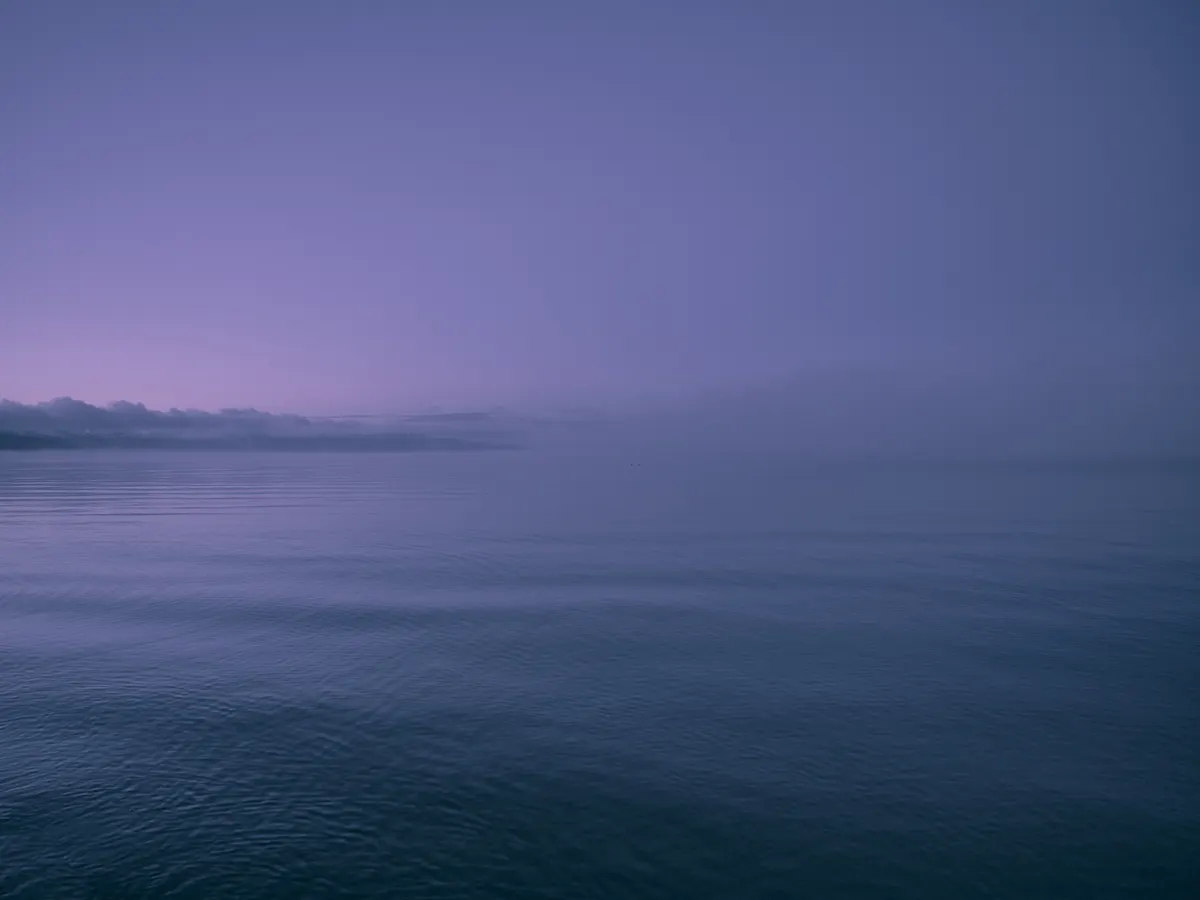
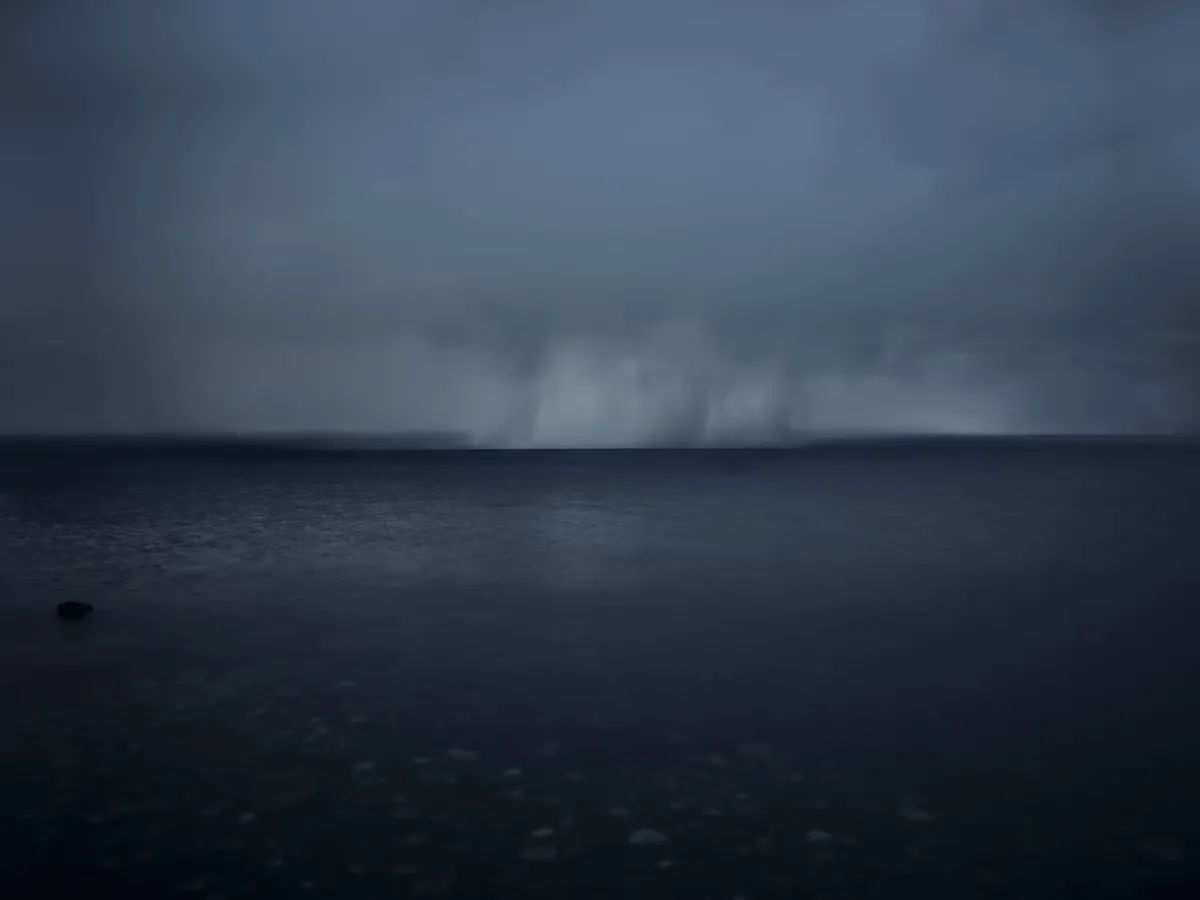
Waterfalls focuses on movement and transformation, using long exposures to turn rushing water into something almost weightless. Dunes reduces the landscape to minimal forms, shadows, and tonal relationships. Human/Nature considers the relationship between constructed environments and natural systems. With Exhale, I have moved toward a quieter and more atmospheric approach, using water, fog, sky, and distant horizons to explore presence and absence.
Despite the differences between the series, I am not particularly interested in landscape photography as documentation. The places matter, but I want the photographs to become something more than records of where I have been. I am interested in the emotional experience of a place—what we remember after leaving it and how our perception changes when visual information is reduced.
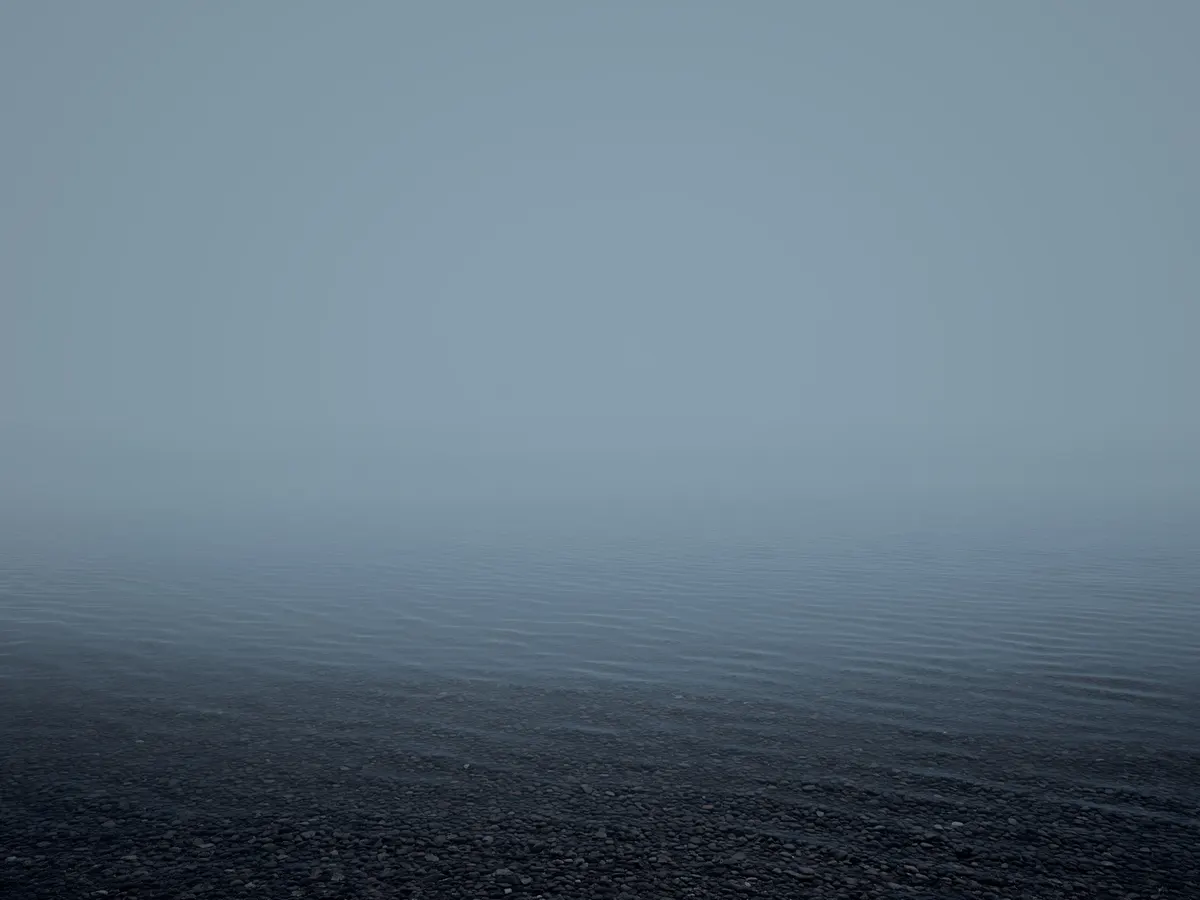
My background in landscape architecture continues to influence that approach. I think about photographs spatially: foreground and distance, scale, movement, edges, negative space, and the way a viewer's eye moves through an image. But photography has also taught me to appreciate things that cannot be designed—the changing atmosphere, the movement of water, the passage of light, and the unpredictability of time.
Ultimately, I want the work to slow people down.
We live in a culture saturated with images competing for immediate attention. I am interested in making photographs that ask for the opposite. They are quiet, and they require time. The longer you look, the more you begin to notice subtle shifts in tone, texture, and atmosphere.
That is perhaps the simplest way to describe what I am trying to do: use photography to make time visible, and create a small space in which the viewer can pause.
Comments
Sign in to join the conversation.
No comments yet. Be the first.