In the Rhythm of Nations
In the Rhythm of Nations
O
By Olha Kudina · October 26, 2026
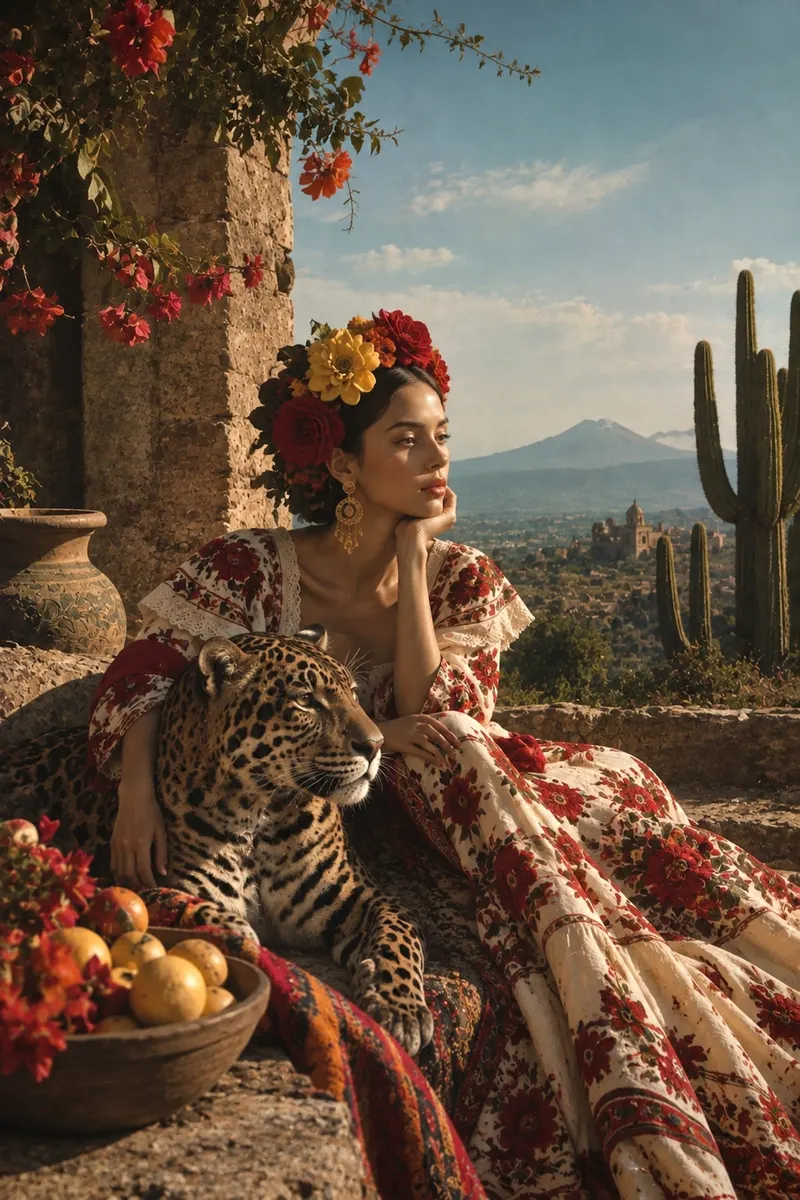
In shortOlha uses one repeating photographic composition, a girl in traditional dress flanked by two animals, to show how different cultures can share a single visual rhythm while keeping their own identity.
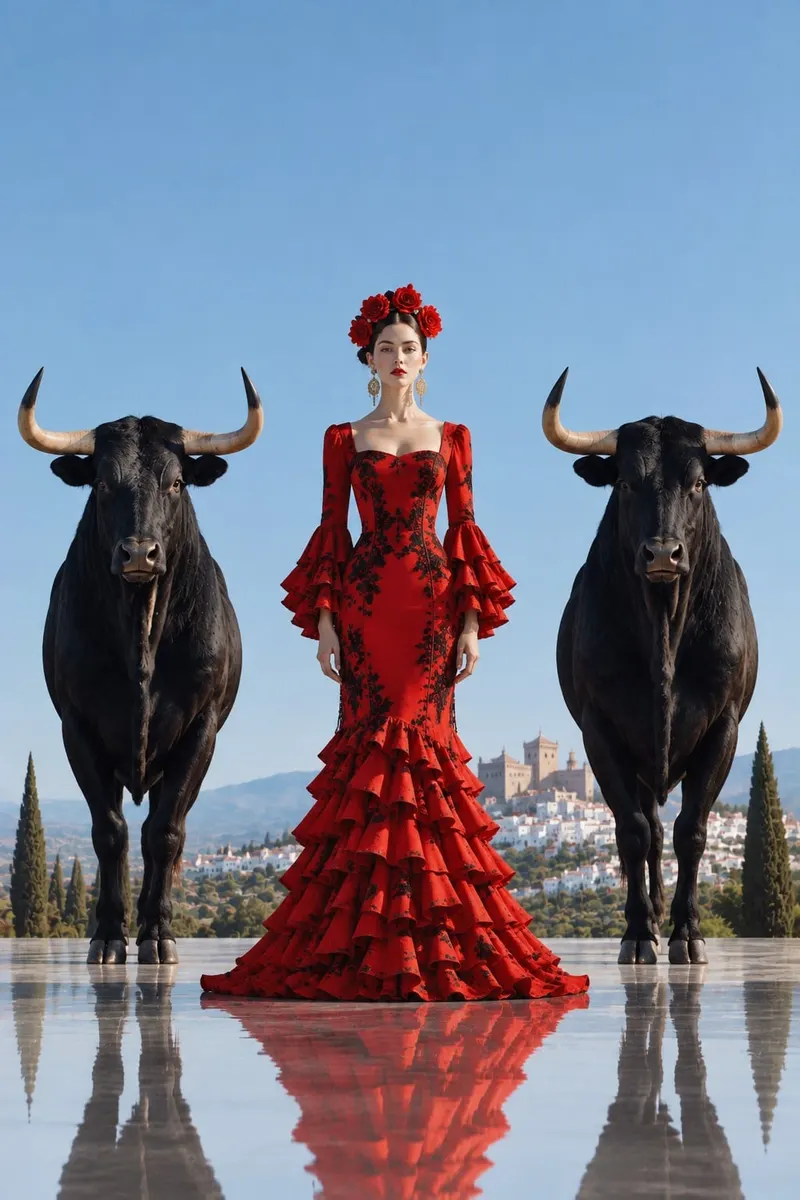
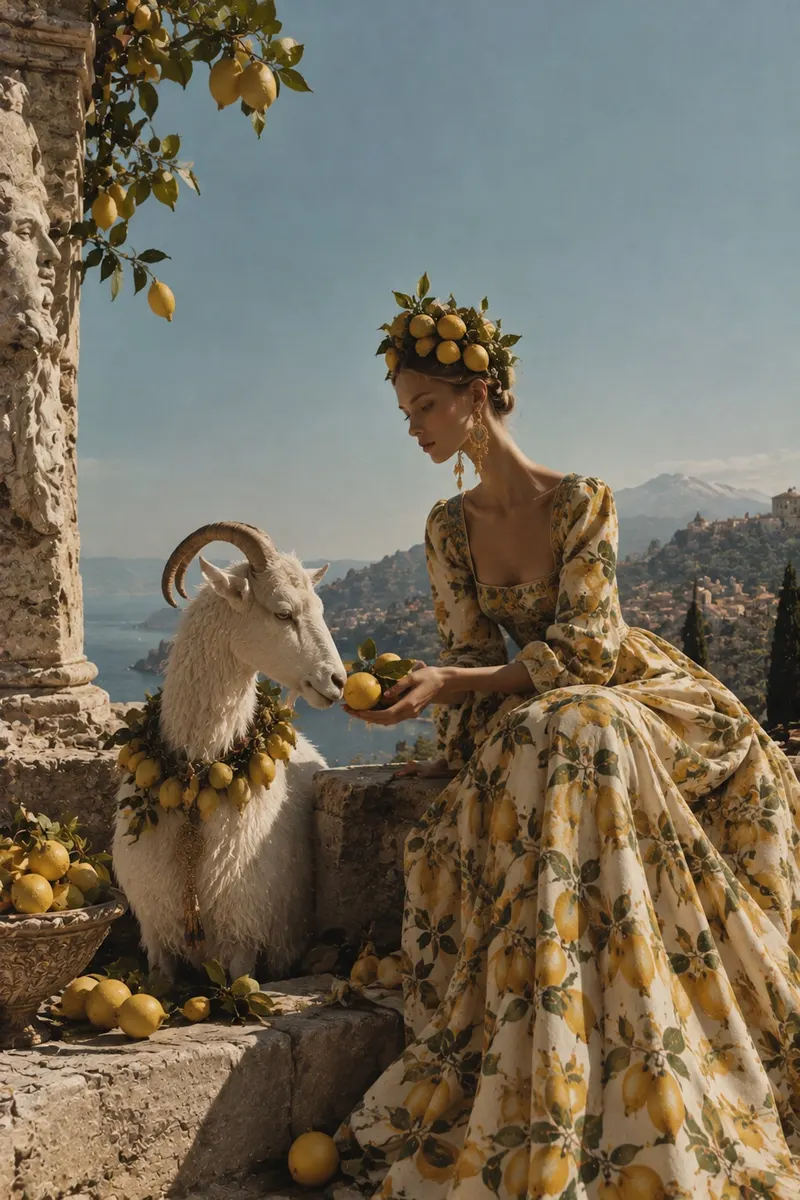
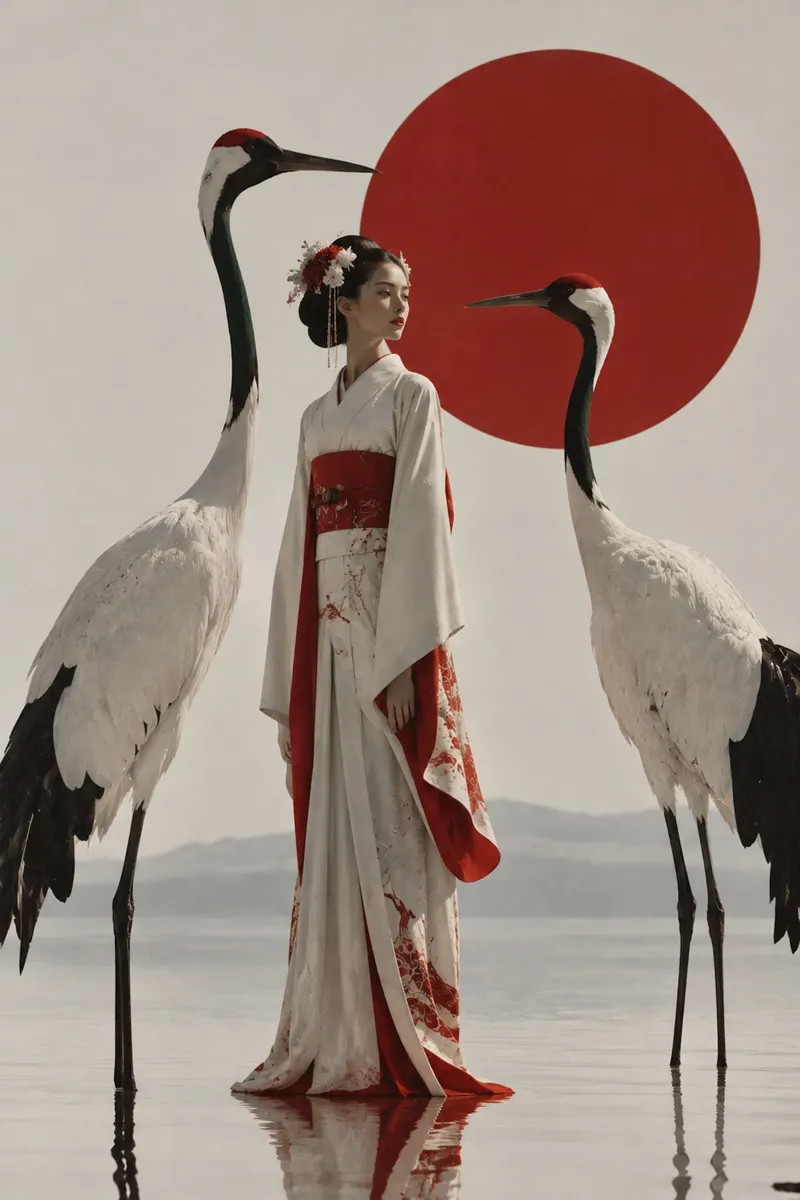
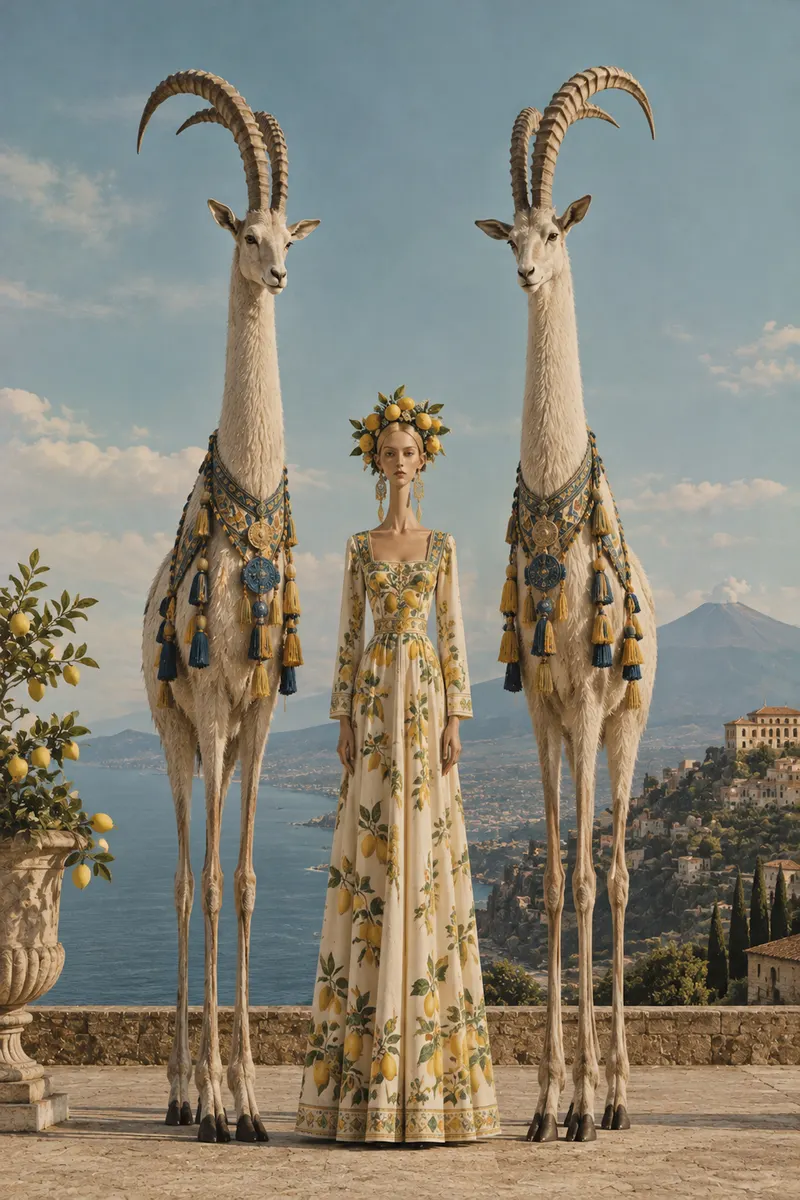
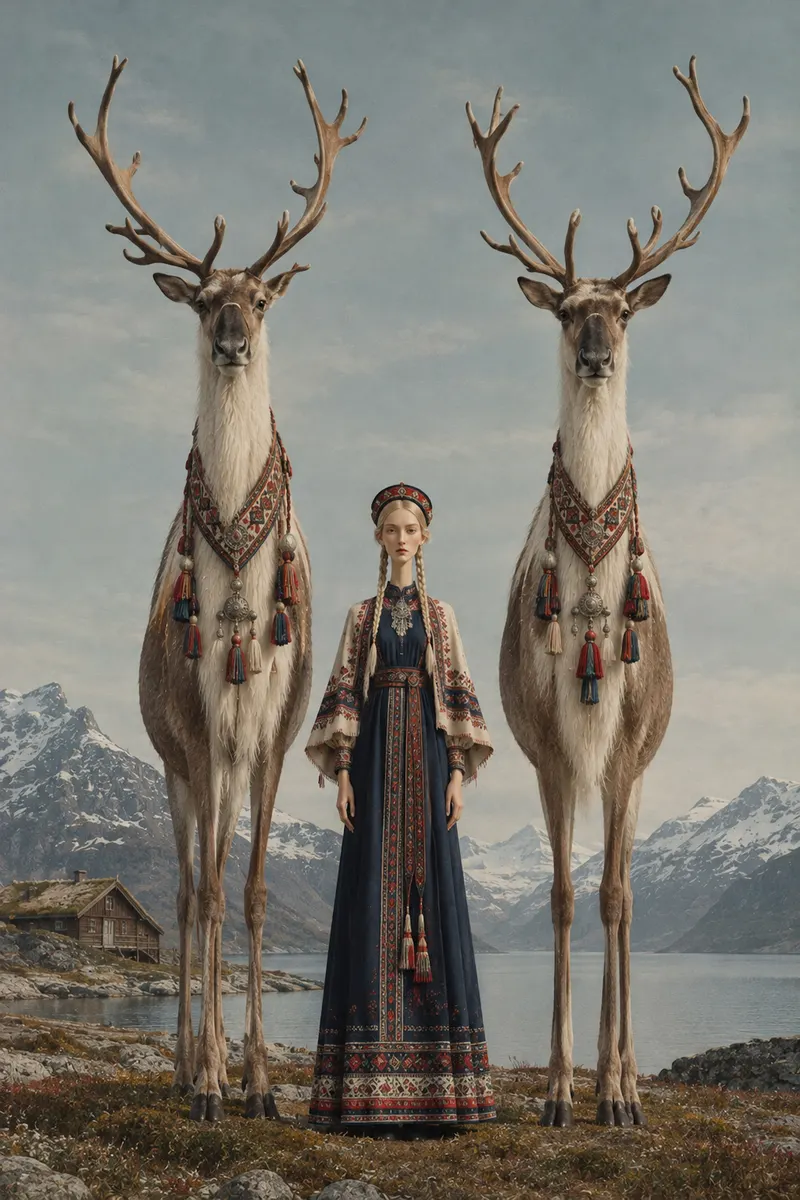
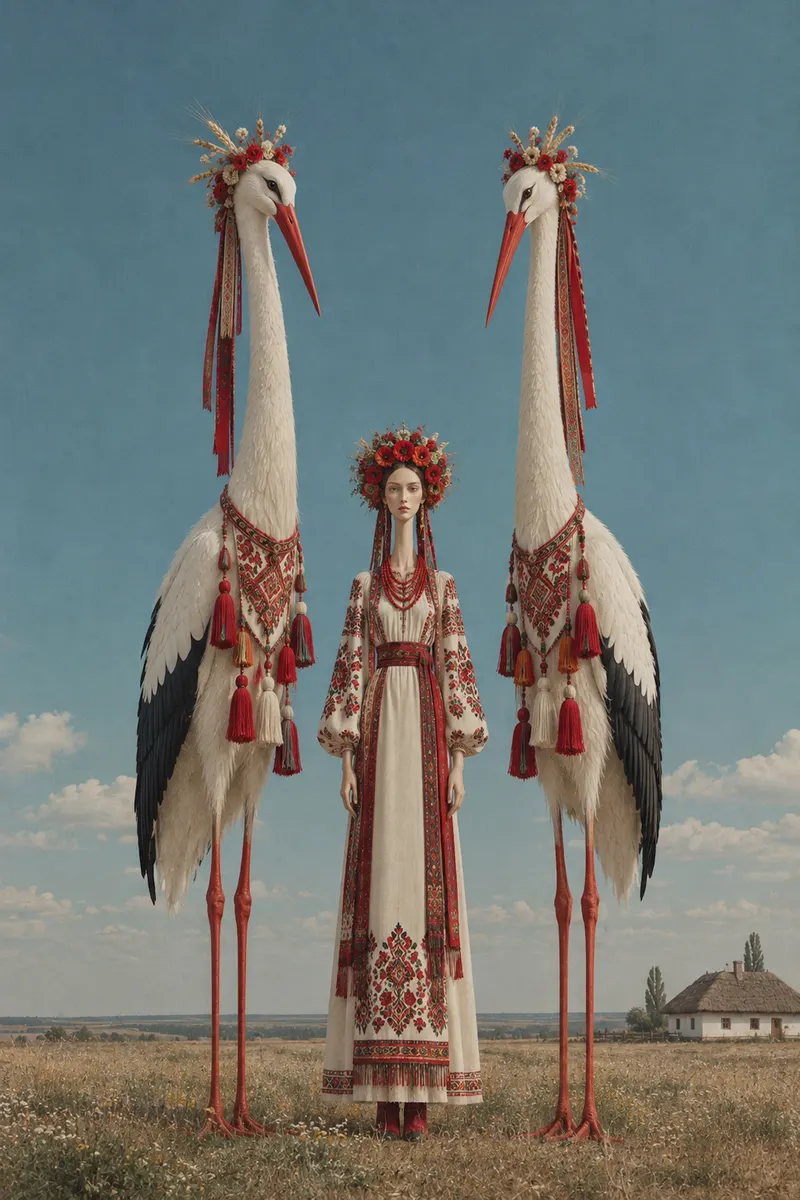
The idea for this series came from my desire to bring together two things that fascinate me about photography: the beauty of symmetry and the diversity of cultures around the world.
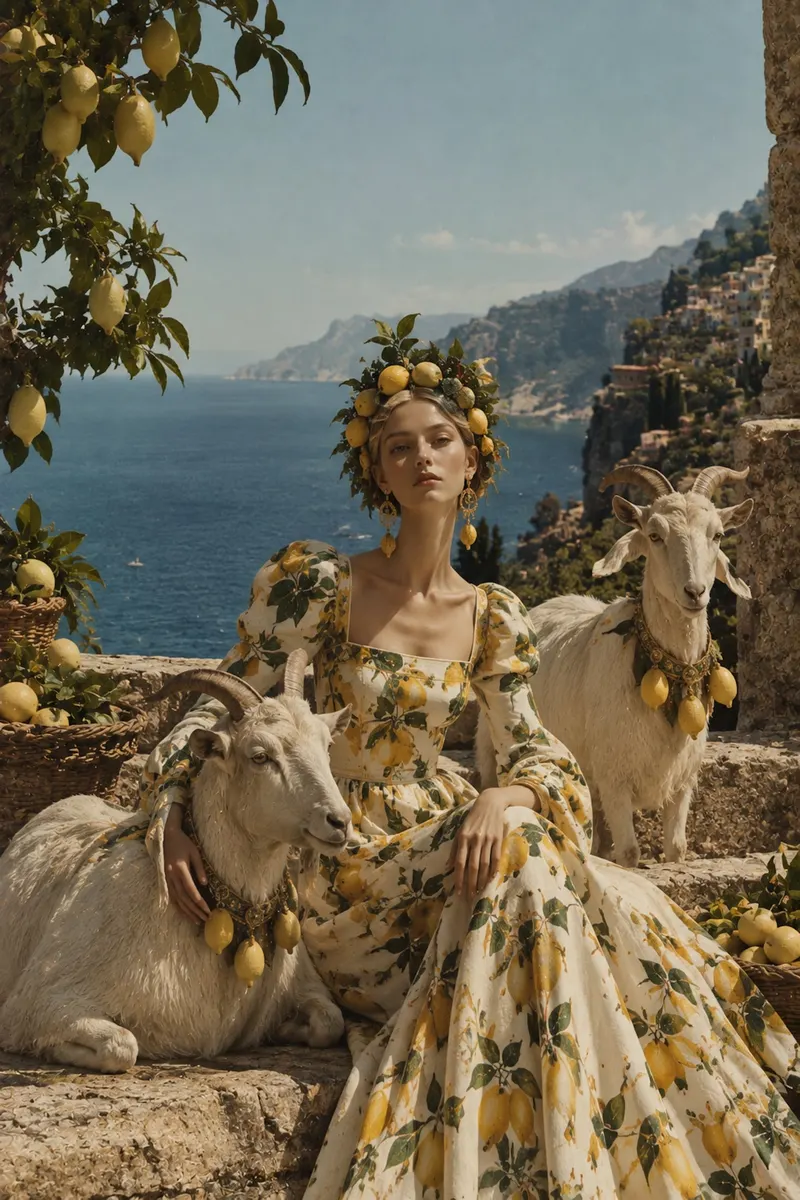
I wanted to create a series in which the same composition would repeat itself, yet tell a different story each time. A girl wearing traditional clothing, with two animals positioned on either side of her — a simple structure at first glance, but one that takes on a different character with every new country. Mexico, Chile, Ukraine, Norway… The imagery, traditions, and colours change, while the composition itself remains the same.
This is where I found the connection to the theme of symmetry and rhythm. I became interested in how repeating a single form can create a sense of unity, while the differences within it make each photograph unique. To me, it is much like music: there is a rhythm that holds everything together, yet every note has its own sound.
Through this series, I wanted to show how different cultures can be, and how harmoniously they can coexist within the same space. Traditional clothing tells a story of heritage and customs, while the animals bring a special connection to the natural world. At the centre of it all is the human figure, almost as if she connects these two worlds.
Perhaps the main idea I wanted to explore through this work was how a single, simple compositional principle can be used to tell many different stories. Sometimes, there is no need to constantly change the form to create something new. It is enough to change what fills it, pay attention to the details, and allow each image to speak in its own language.
I believe this approach could also inspire other artists to find their own visual principle and explore how many different meanings can emerge through repetition. After all, limitations do not always restrict creativity — sometimes, they help us see more.
For me, In the Rhythm of Nations is a story about diversity that does not stand in the way of unity. It is about how different cultures can each have their own voice while remaining part of one greater rhythm.
Quick answers
- What does symmetry mean in a photo series like this?
- It means keeping the same compositional structure, such as a central figure flanked by two matching elements, across every image so the eye recognises a consistent pattern even as the content changes.
- How can repeating one composition still produce varied results?
- By keeping the form fixed and changing what fills it, such as clothing, colours, and cultural details, each image tells its own story while staying tied to the same visual rhythm.
- Why use traditional clothing and animals together in a composition?
- Traditional clothing points to heritage and customs, while the animals bring in a connection to the natural world, and the human figure in the middle links these two elements.
- Can creative limitations actually help an artist?
- Yes, working within one simple compositional principle can push a creator to focus more on detail and meaning, turning a restriction into a source of fresh ideas.
Read next
Got a story of your own?
Every creator we publish has one. Write yours for the Community, or go straight for a printed feature.
Comments
Sign in to join the conversation.
No comments yet. Be the first.