Artells Media

Translating Longing into Edible Art

By romi kim · November 2, 2026

Art Director · Brand Identity · Bangkok, Thailand

Translating Longing into Edible Art, photo 5 by romi kim

In shortRomi, a Korean chef running a Bangkok-based studio, turns traditional Korean aesthetics into fully edible cake sculptures that explore diaspora identity and cultural memory.

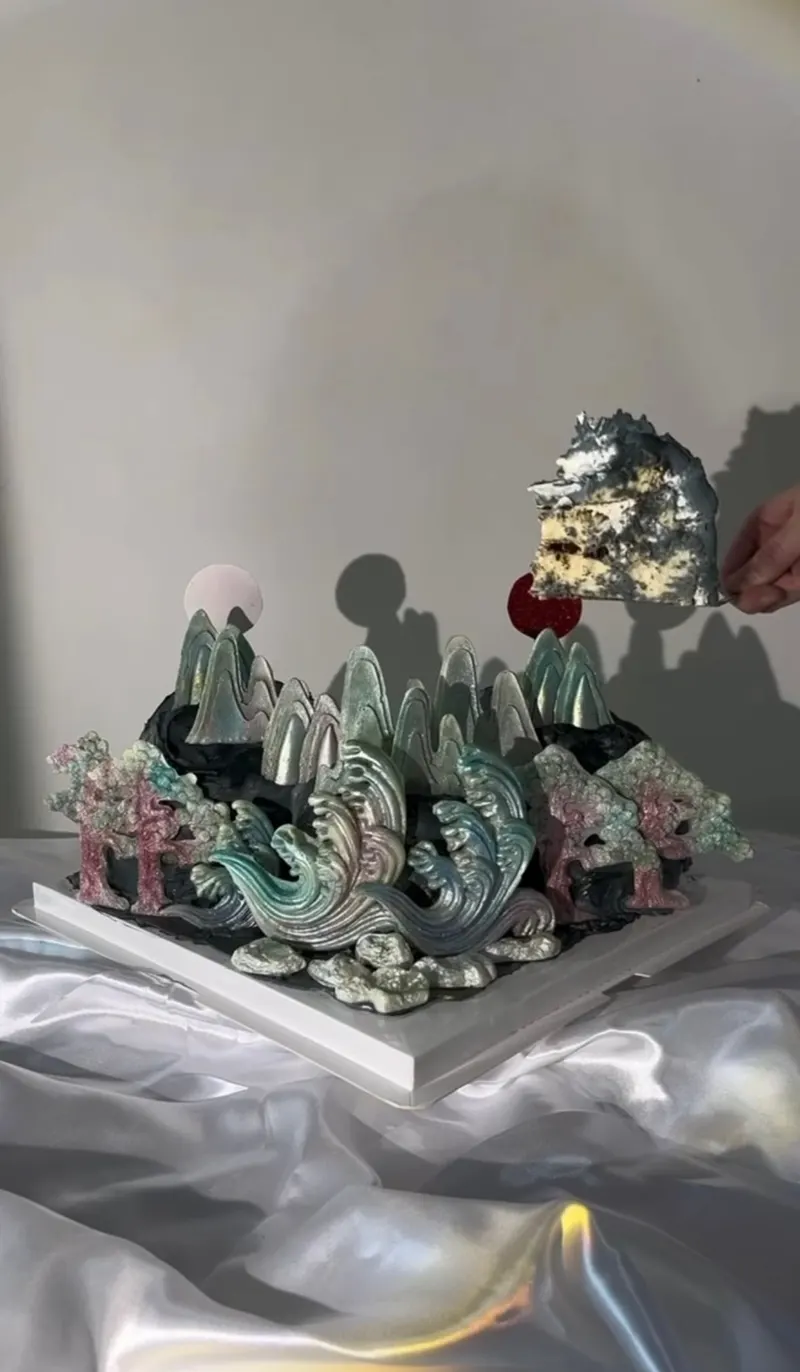
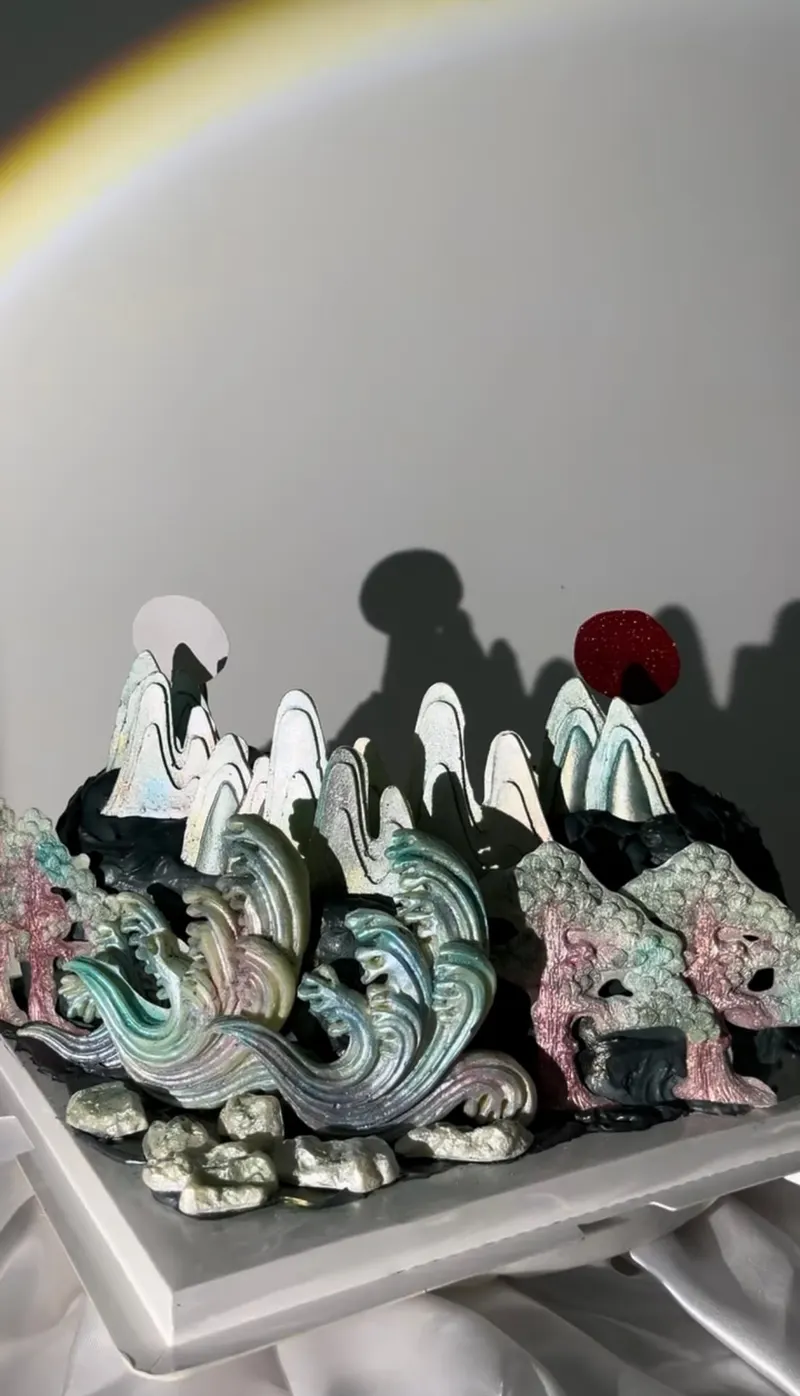
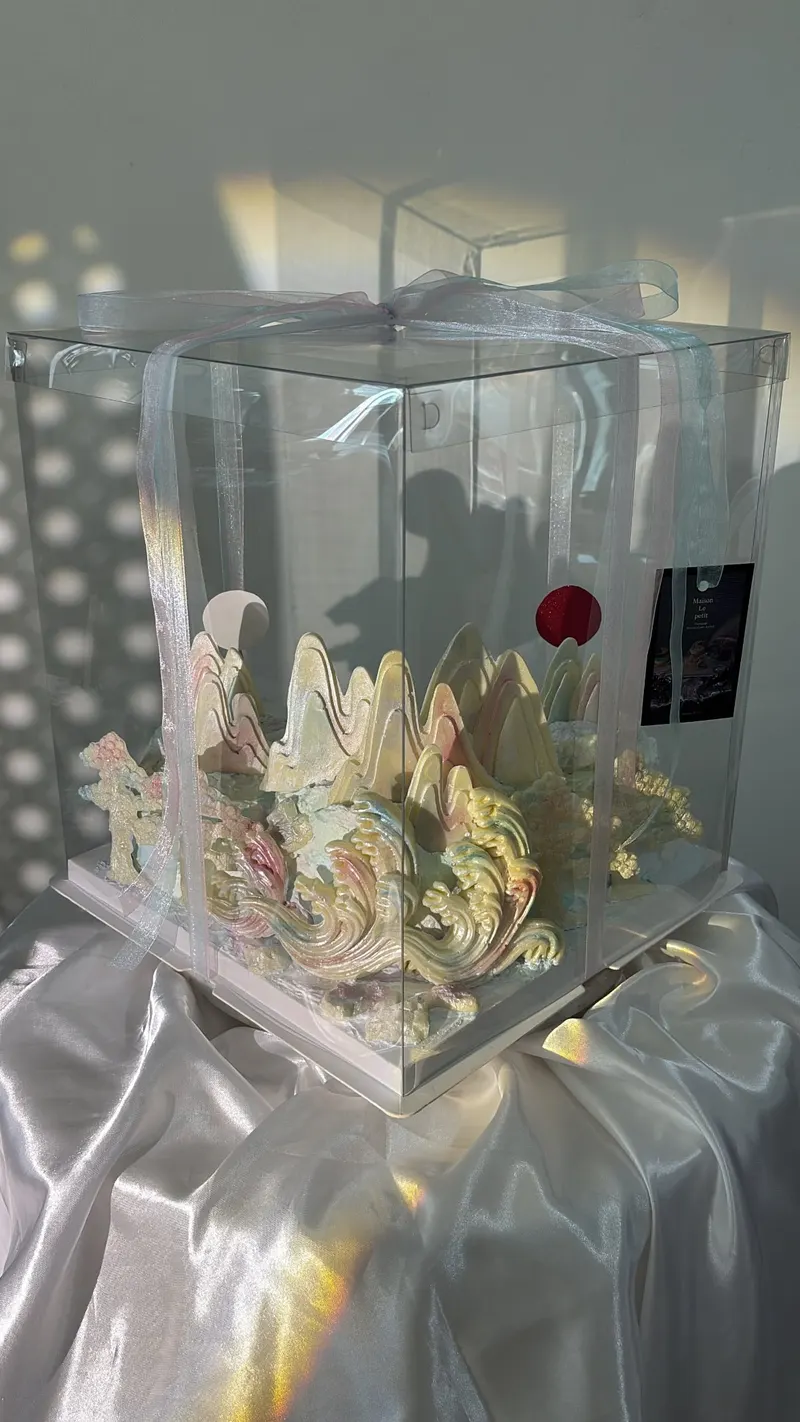
Maison Le Petit is a Bangkok-based edible art studio led by a Korean owner-chef. Exploring the nuanced nostalgia of diaspora, each creation reinterprets traditional Korean aesthetics through high-concept, edible cake design.

My interest in Korean cultural heritage has grown deeper through the experience of living abroad. Being away from my homeland has made me more conscious of my own identity, roots, and the cultural memories that have shaped who I am.
Translating Longing into Edible Art, photo 1 by romi kim
Translating Longing into Edible Art, photo 2 by romi kim

I began to explore Korean heritage not only as a source of artistic inspiration, but also as a way to reconnect with myself and express a part of my identity that I wanted to understand more deeply.

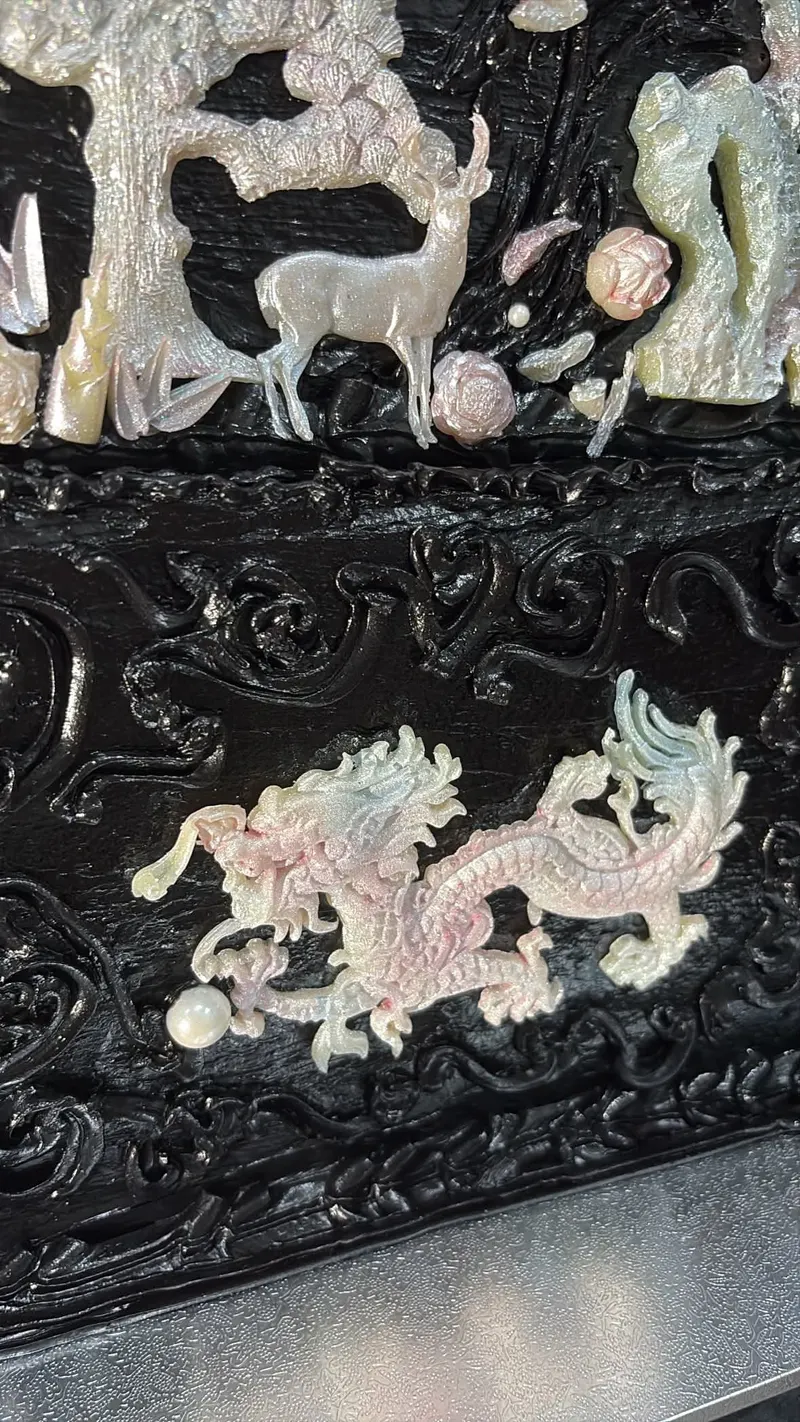
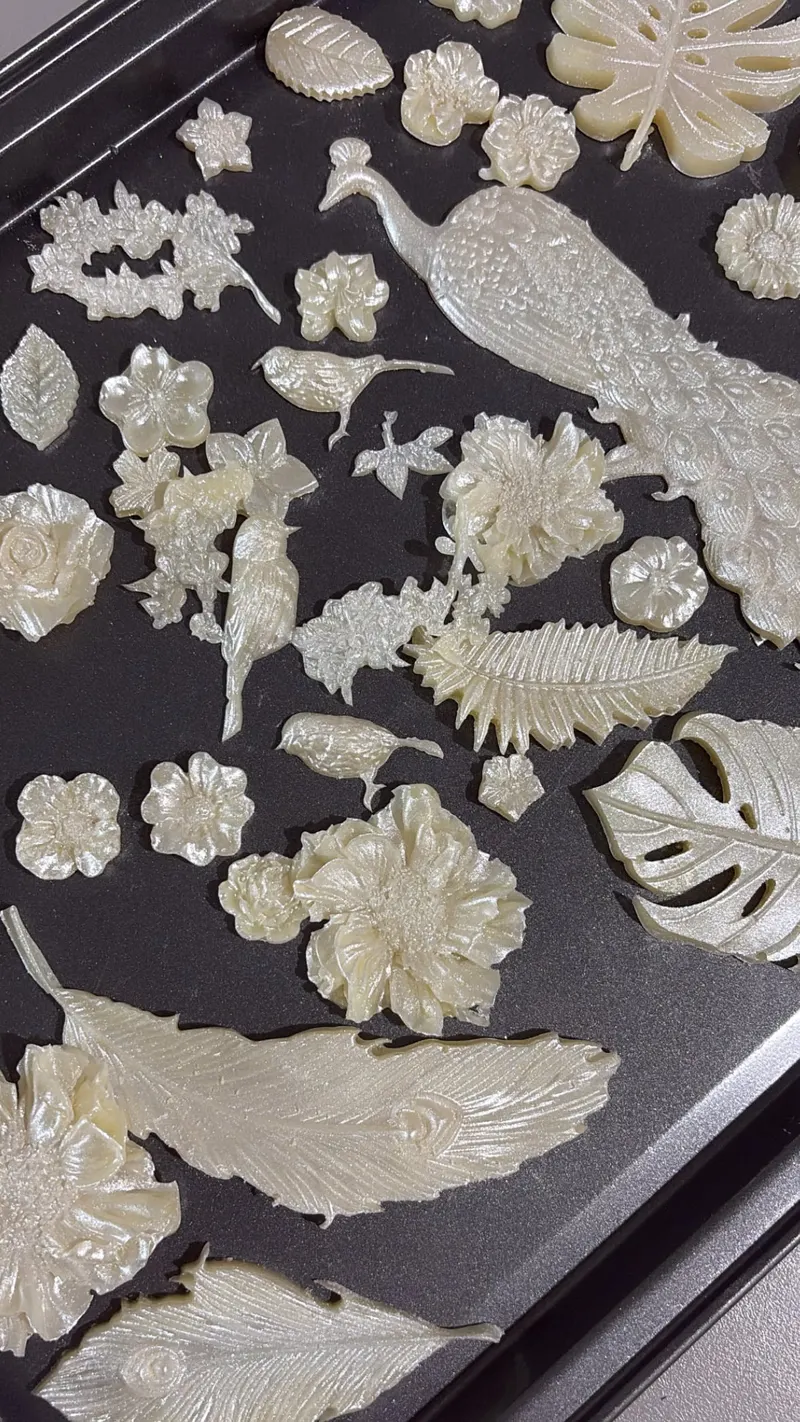
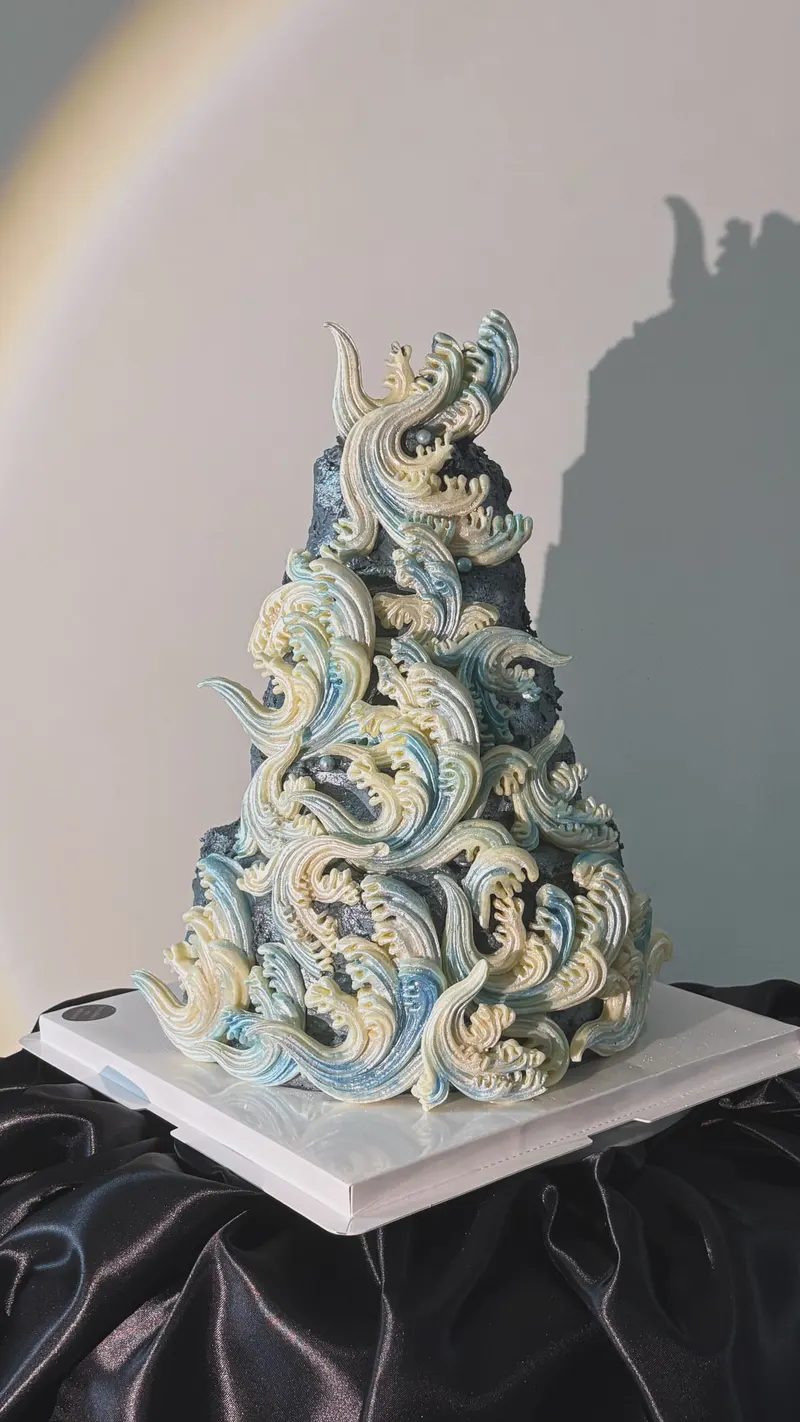
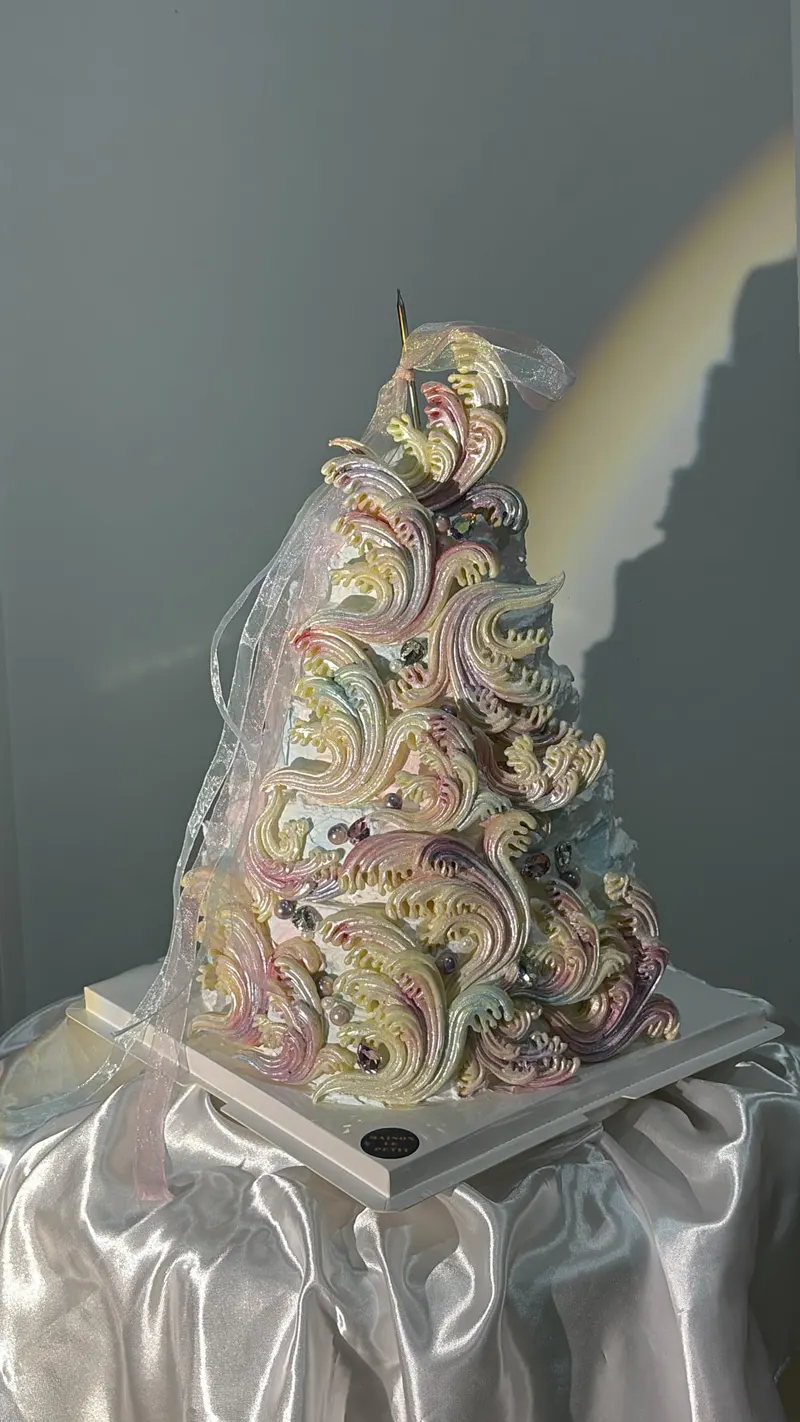
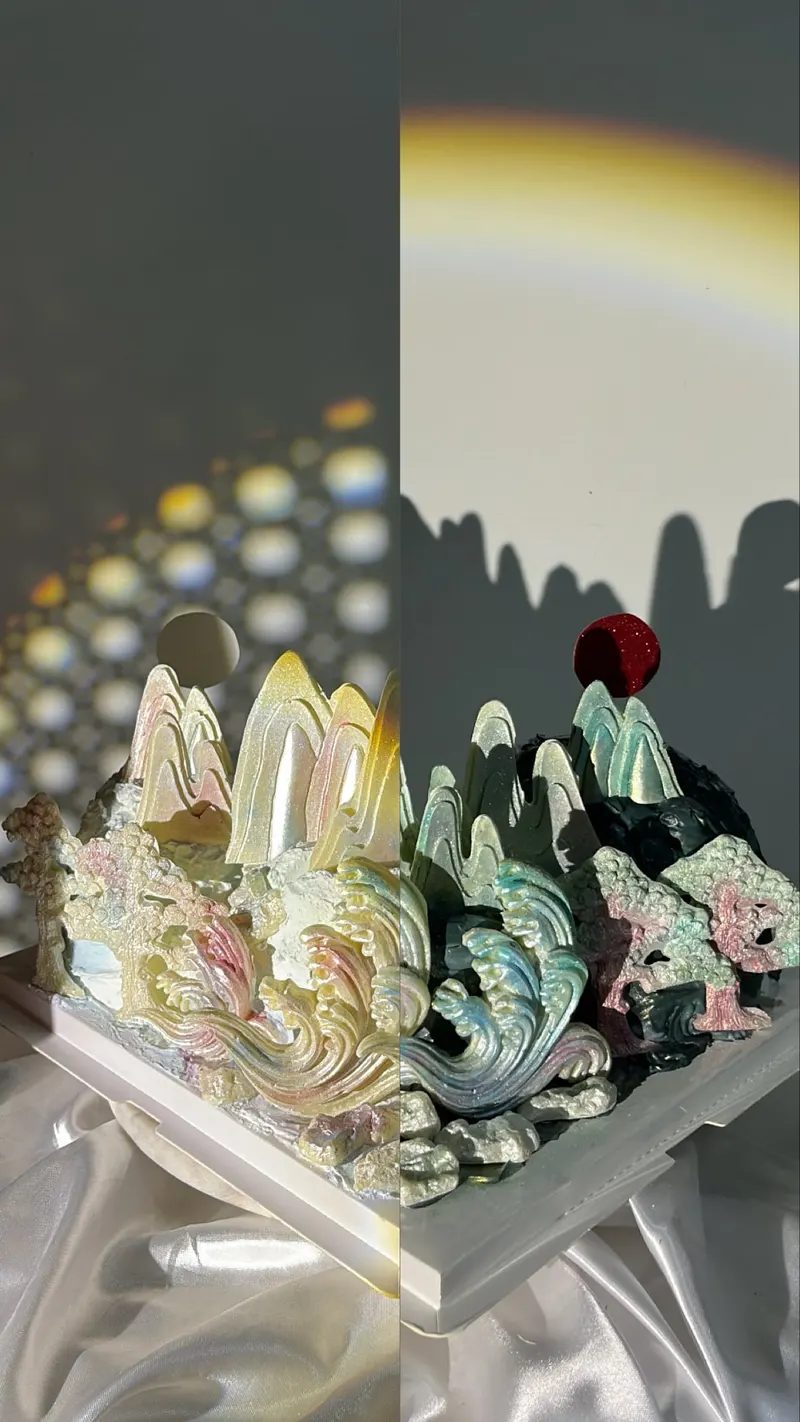
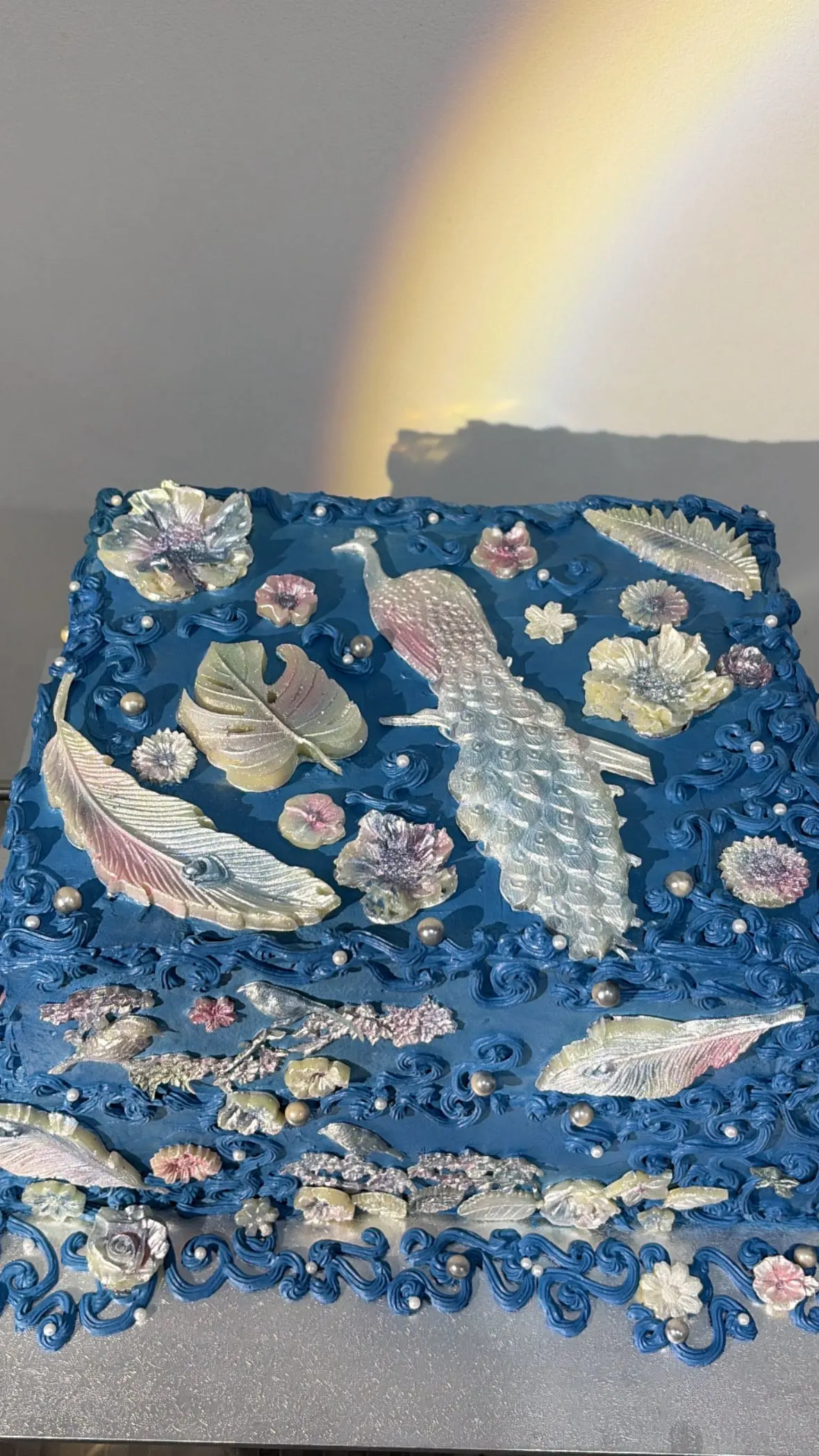
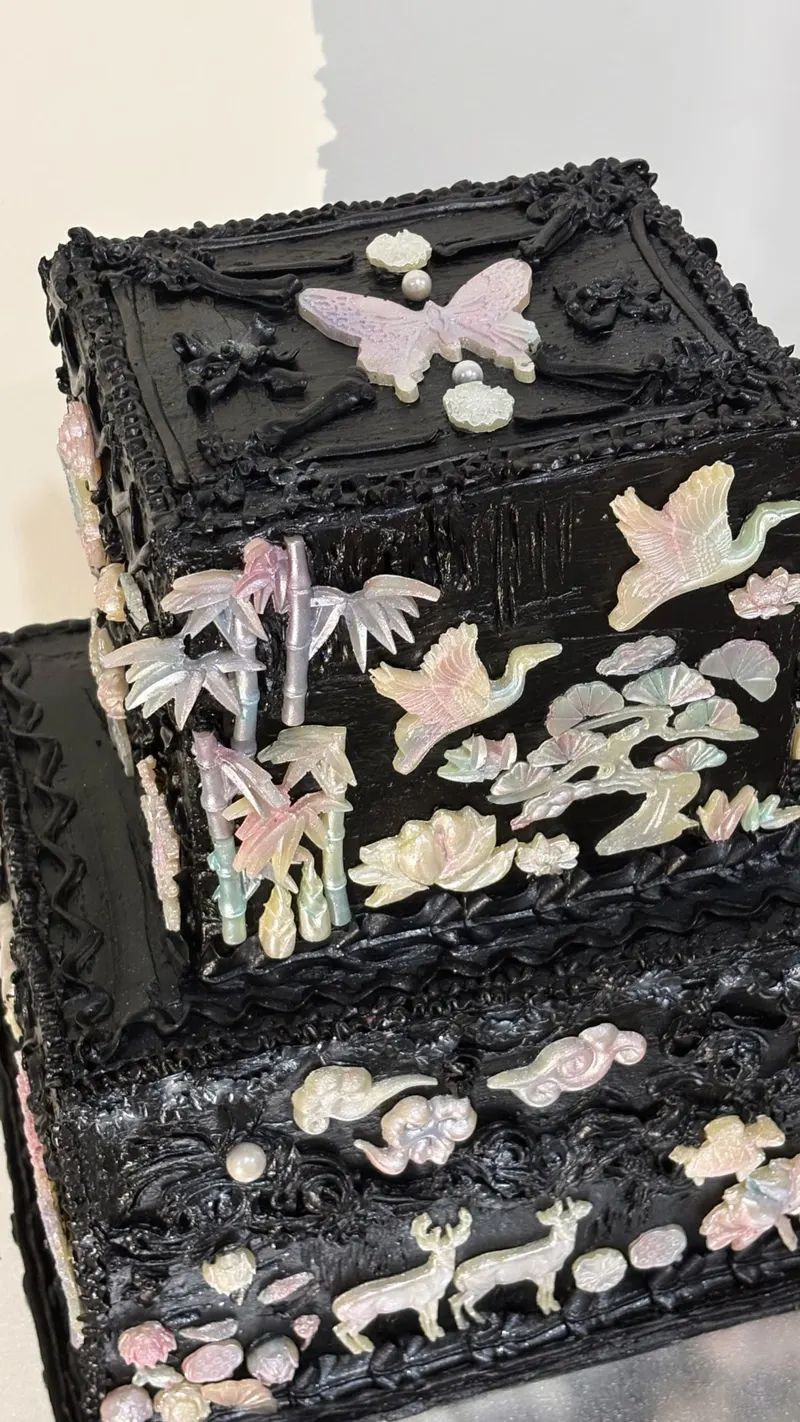
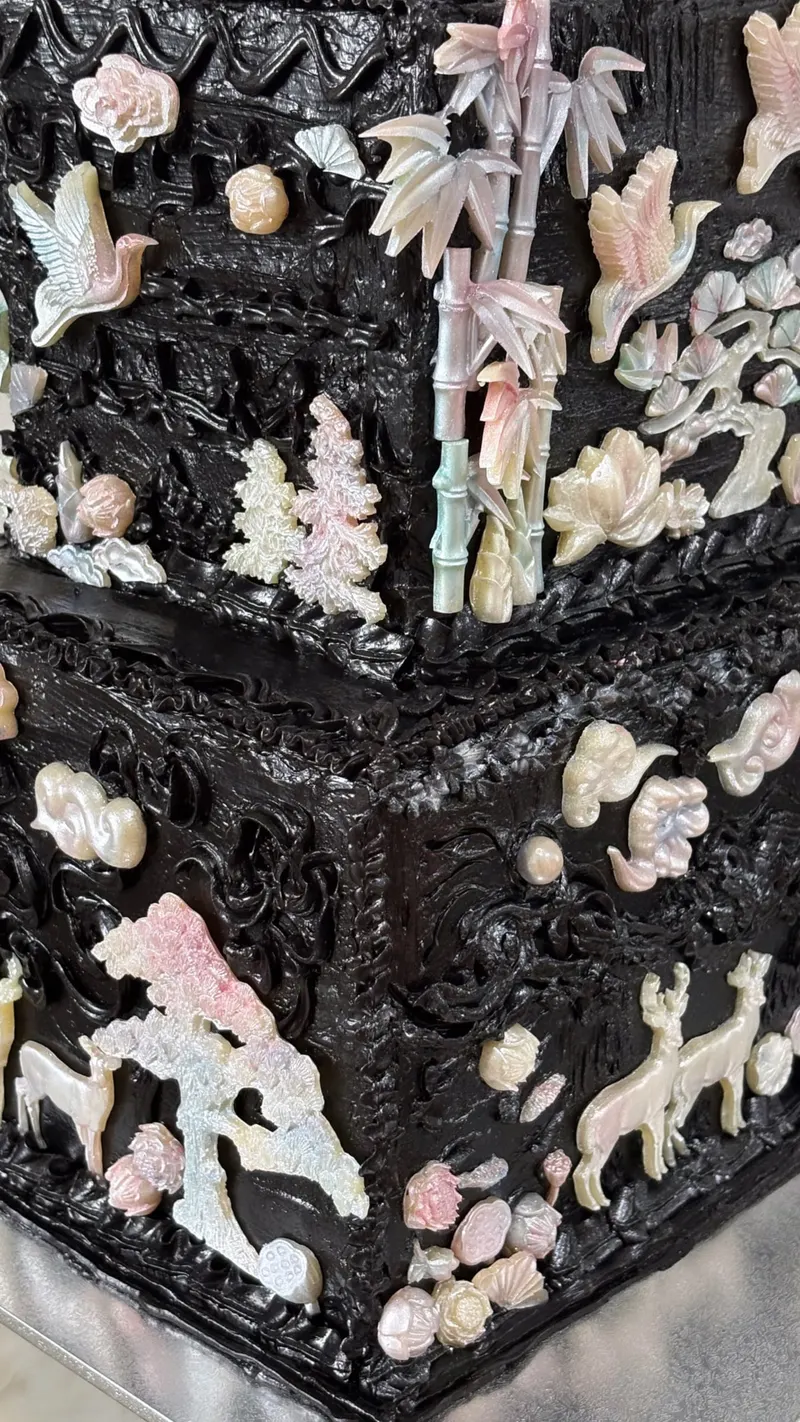
Through edible art, I reinterpret traditional Korean aesthetics, cultural symbols, and heritage into contemporary cake sculptures. Using ingredients such as chocolate, gelatin, and other edible materials, I handcraft intricate decorative objects and sculptural elements, transforming them into edible interpretations of traditional art and cultural heritage.

Translating Longing into Edible Art, photo 3 by romi kim
Translating Longing into Edible Art, photo 4 by romi kim

One of the defining aspects of my work is that every decorative object is created to be edible. I approach cake not simply as a dessert, but as an artistic medium through which sculpture, craftsmanship, and gastronomy can coexist.

For me, each creation is more than a cake. It is a personal exploration of identity, belonging, and the relationship between my cultural roots and the life I have built abroad. Through these creations, I hope to introduce Korean heritage to a wider audience while expressing my own journey of rediscovering where I come from.

Translating Longing into Edible Art, photo 6 by romi kim
Translating Longing into Edible Art, photo 7 by romi kim

Ultimately, my work is an attempt to translate cultural memory and personal longing into something tangible, beautiful, and edible.

Translating Longing into Edible Art, photo 8 by romi kim
Translating Longing into Edible Art, photo 9 by romi kim
Translating Longing into Edible Art, photo 10 by romi kim
Translating Longing into Edible Art, photo 11 by romi kim

Quick answers

What materials are used to make edible sculptures?
Romi handcrafts intricate decorative objects using chocolate, gelatin, and other edible materials, turning them into sculptural interpretations of traditional Korean art.
What makes a cake count as edible art rather than just dessert?
Romi treats cake as an artistic medium where sculpture, craftsmanship, and gastronomy coexist, with every decorative object designed to be fully edible.
How does living abroad shape this kind of artistic work?
Living away from her homeland made romi more aware of her identity and roots, pushing her to explore Korean heritage as a way to reconnect with herself.
Where is Maison Le Petit based?
Maison Le Petit is a Bangkok-based edible art studio led by a Korean owner-chef.

Read next

Comments

Sign in to join the conversation.

No comments yet. Be the first.

Got a story of your own?

Every creator we publish has one. Write yours for the Community, or go straight for a printed feature.

Translating Longing into Edible Art · Artells Media